
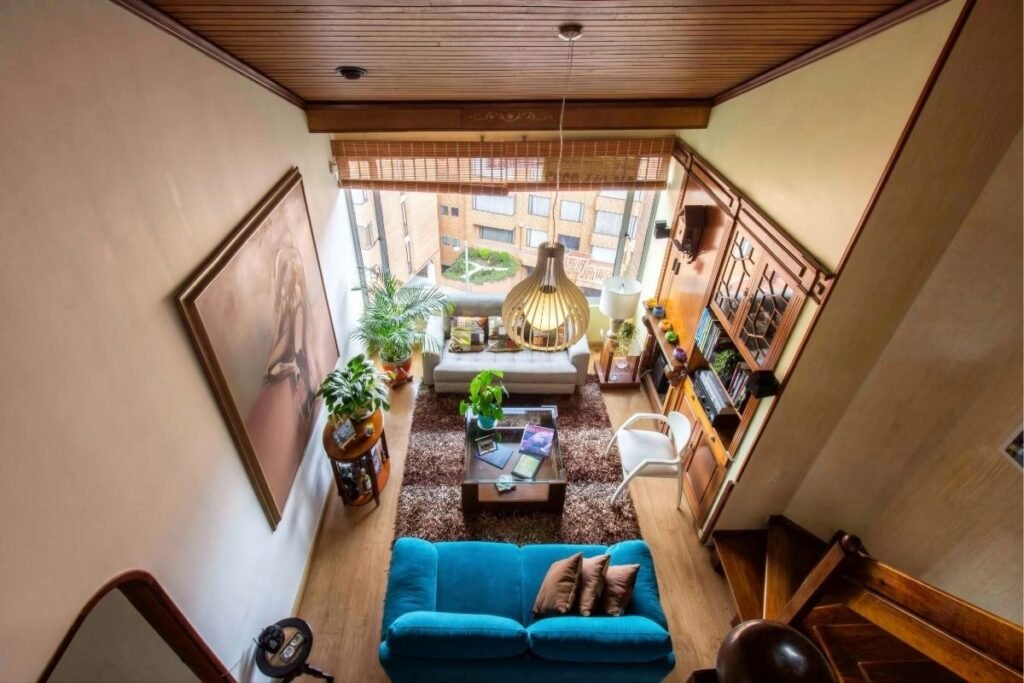
Not every living room comes with wide-open square footage. If you’ve got a narrow living room, you already know that standard design advice doesn’t always apply. A long, lean space presents unique challenges, but here’s the secret: constraints actually force better design decisions. When you can’t spread furniture out in all directions, you have to be intentional about every piece.
The best narrow living rooms are the ones where you’ve leaned into the layout rather than fighting against it. Instead of trying to make a long room feel wider, you can create multiple intimate zones, emphasize the length as an architectural feature, and use smart furniture placement to make the space feel purposeful and connected. A narrow living room can feel sophisticated, gallery-like, and genuinely functional when you approach it with the right strategy.
We’ve gathered 17 narrow living room ideas that work specifically with elongated spaces. These approaches transform length into an asset, create visual interest along the walls, and help you arrange furniture in ways that actually make sense for narrow proportions.
1. Arrange Furniture in a Single Long Grouping
Instead of fighting the length, embrace it by creating one cohesive seating arrangement that runs along the room’s length. A long sofa paired with two accent chairs and a console table creates a unified seating zone without trying to squeeze multiple separate areas into a narrow space.
This approach makes the room feel intentional rather than like furniture is just scattered around. Everything works together as one thoughtful arrangement rather than competing for space.
Also read : Cozy Living Room Ideas to Create a Warm Space
2. Use Mirrors Strategically to Expand Visual Space
Mirrors are your secret weapon in narrow rooms. Place a large mirror opposite a window to reflect light and create the illusion of width, or use mirrors on walls to bounce light around and make the space feel less enclosed.
Avoid placing mirrors directly across from each other as it can create a ping-pong effect. Instead, angle them or position them thoughtfully to expand the feeling of openness without being obvious about it.
3. Float Furniture Away from Walls
Counterintuitively, pulling your furniture a few inches or feet away from the walls actually makes narrow rooms feel bigger. This creates definition between the furniture and the architecture, making both feel more intentional.
A floating sofa with a console table behind it, or floating accent chairs with a small side table between them, creates visual breaks that help the room feel less like a hallway.
4. Create Multiple Intimate Zones Along the Length
Instead of one large seating area, create a series of smaller conversation zones down the length of the room. A sofa and chairs in one section, a reading nook further down, an accent wall or gallery display, and perhaps a game table area further still.
This approach makes the long space feel like a journey through the room rather than one monotonous stretch. Each zone has its own purpose and visual interest.
5. Install Floating Shelves on One Long Wall
Floating shelves running the length of a narrow room create visual interest, provide storage, and draw the eye along the entire space rather than stopping at one focal point. Style them with a mix of books, plants, and decorative objects.
This gallery-like approach transforms a blank wall into an architectural feature. The horizontal lines of the shelves emphasize the room’s length in a beautiful way.
6. Use Vertical Space to Draw Eyes Upward
Tall bookcases, floor-to-ceiling curtains, and art hung higher on walls all pull the eye upward, making narrow rooms feel less like tunnels. The vertical emphasis makes proportions feel less extreme.
Don’t use short furniture in a narrow room; choose pieces with height to create visual variety and balance the room’s elongated shape.
7. Paint a Feature Wall at the End of the Space
Paint the wall at the far end of your narrow room in a bold color or pattern to create a natural stopping point for the eye. This prevents the room from feeling like it just keeps stretching endlessly.
A jewel-toned wall, patterned wallpaper, or a gallery wall at the far end gives the space visual closure and makes it feel like a complete room rather than a hallway.
8. Choose a Sofa That Fits Your Room’s Proportions
In a narrow room, an oversized sectional is your enemy. Choose a sofa that’s appropriately scaled to the width of your space, even if it means going shorter or choosing an armless design. The right-sized sofa makes the room feel purposeful instead of cramped.
A loveseat or apartment-sized sofa often works better than a full sectional. Prioritize depth and comfort over length when working with a narrow layout.
9. Use Console Tables Behind Sofas
A console table behind your sofa adds function and visual interest without taking up floor space. It can hold lamps, plants, or decorative objects while creating a defined boundary between seating areas.
Console tables are especially useful in narrow rooms because they organize the space vertically rather than horizontally, making better use of a long, lean layout.
10. Create a Gallery Wall Down One Side
A thoughtfully curated gallery wall running the length of one wall turns a narrow space into an art gallery. Mix frame sizes, artwork styles, and include mirrors or sculptural pieces for dimension.
Gallery walls draw focus upward and outward, making the room feel less confining. They also add personality and tell a story throughout the entire length of the space.
11. Use Layered Lighting at Intervals
Instead of one central light source, place table lamps, wall sconces, and floor lamps at intervals along the length of the room. This creates visual markers that break up the length while providing functional lighting.
Lighting at regular intervals makes a narrow room feel like it has multiple purposes and zones rather than being one continuous space.
12. Add a Long Area Rug to Define the Space
A long, narrow area rug can actually complement a narrow room’s proportions beautifully. Run it the length of your seating area to define the zone and add visual interest with color or pattern.
The rug creates a visual anchor that makes the furniture arrangement feel intentional rather than makeshift. It also adds warmth and texture to the space.
13. Incorporate Transparent or Leggy Furniture
Choose furniture with exposed legs and transparent elements to maintain visual flow in a narrow space. Glass coffee tables, lucite chairs, and furniture on thin metal legs all keep sightlines open.
Transparent and leggy pieces prevent the room from feeling blocked or cluttered, allowing light and sight to pass through rather than creating visual barriers.
14. Use Narrow Console Tables and Sideboards
Skinny console tables and narrow sideboards work perfectly in tight spaces, providing storage and surface space without eating up precious floor area. Position them against walls or float them as room dividers.
These pieces add function and visual interest without the bulk of traditional furniture. They’re ideal for displaying plants, lamps, or decorative objects.
15. Create a Window Seat Along a Long Wall
If you have windows running the length of your narrow room, add a cushioned window seat to create a cozy, functional feature. This built-in seating makes use of otherwise difficult-to-furnish wall space.
A window seat with throw pillows and a cushion transforms blank wall space into the most inviting spot in the room while adding comfort and visual appeal.
16. Use Vertical Wall Decor Instead of Floor Clutter
Keep floor space open by hanging shelves, wall art, sconces, and mounted plants instead of trying to decorate with freestanding pieces. Vertical decorating makes narrow rooms feel less crowded.
Everything mounted or hung on walls leaves the floor open and clear, maintaining that precious open floor space that makes narrow rooms feel functional.
17. Define Distinct Areas with Area Rugs and Lighting
Use different area rugs and lighting combinations to create visual breaks between distinct zones down the length of the room. A reading nook rug with a floor lamp, a main seating rug with sconces, and an accent area with wall-mounted light create natural divisions.
These visual markers make the room feel like several connected spaces rather than one long, unbroken stretch. Each zone feels intentional and purposeful.
Final Thoughts
A narrow living room isn’t a design limitation; it’s an opportunity to create something thoughtfully planned and intentionally beautiful. The key is working with your space’s proportions rather than against them. Embrace the length, create zones with purpose, use vertical elements to fight the tunnel effect, and choose appropriately scaled furniture that respects your room’s unique shape.
The most successful narrow living rooms are the ones where every piece serves a purpose and the elongated layout becomes an asset rather than a challenge. Your constraints force better decision-making and often result in rooms that feel more curated and intentional than their spacious counterparts. Lean into your narrow living room’s unique characteristics and create a space you genuinely love.