
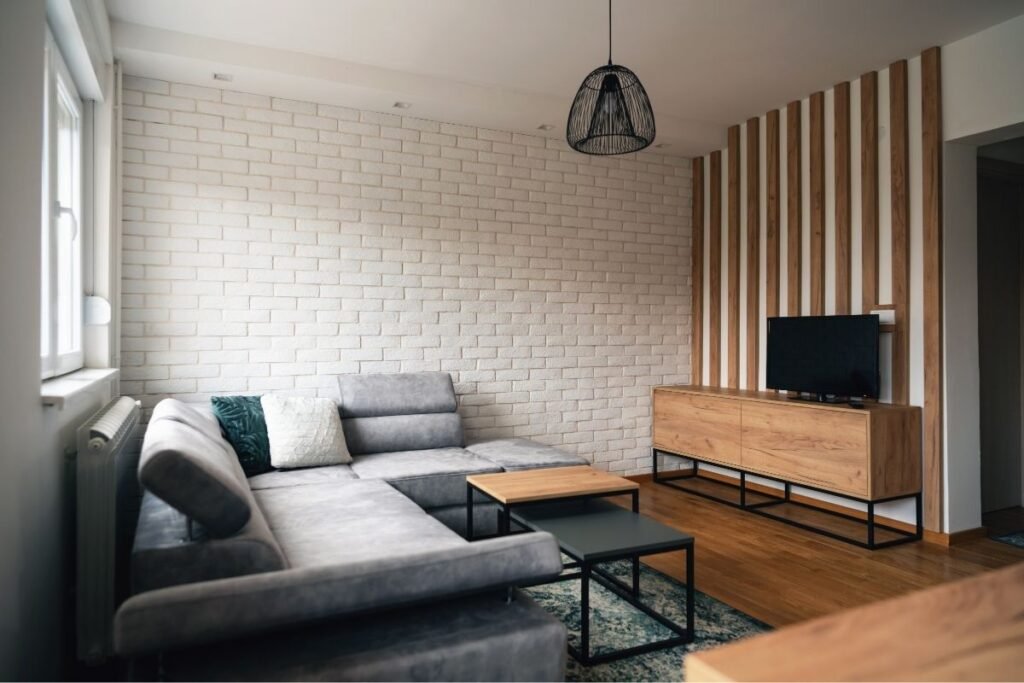
Your living room is where your family gathers, where guests are entertained, and where you relax after long days. This space deserves thoughtful design that works for how you actually live. Creating a beautiful, functional living room is completely achievable with the right approach and ideas.
Living room design shapes how your home functions and feels. A well-designed living room brings people together and improves daily life. This guide provides 38 living room design ideas organized by strategy to help you create a gathering space you love.
What Makes a Great Living Room
A great living room combines beauty, comfort, and function. It works for how you and your family actually spend time together. Great living rooms reflect personal style while serving practical purposes.
Great living rooms balance different needs and priorities. They accommodate gathering, relaxation, entertainment, and daily activities. Good design makes spaces feel intentional and welcoming.
Why Living Room Design Matters
Living rooms are central to home life and family connection. They impact how you feel daily and how you entertain. Good design improves functionality and creates gathering spaces.
Living rooms increase home value and family well-being. They reflect personal style and create lasting memories. Good design makes spaces more enjoyable and functional.
Also read: 15 Bedroom Color Ideas Beyond Boring Beige and White
Layout and Arrangement Ideas
Smart furniture arrangement transforms living room function. Strategic placement creates gathering spaces that work.
Idea 1: Conversation-Focused Layout
Furniture arranged to face each other encourages natural interaction. Facing seating creates intimate gathering spaces naturally.
Position sofas and chairs to face each other. Create groupings encouraging conversation. This improves how spaces function for gathering.
Idea 2: Focal Point-Centered Arrangement
Organizing all furniture around one focal point creates purpose. Clear focal points give spaces visual organization.
Choose focal point like fireplace, TV, or window view. Arrange furniture oriented toward it. This organizes space visually.
Idea 3: Traffic Flow Optimization
Arranging furniture for clear pathways improves comfort. Good flow makes spaces more functional and pleasant.
Plan clear pathways through space. Avoid blocking doors or windows. This improves comfort and function.
Idea 4: Floating Furniture Arrangement
Arranging furniture away from walls creates defined zones. Floating arrangements work beautifully in large spaces.
Float conversation seating away from walls. Create distinct areas. This defines space purposefully.
Idea 5: Symmetrical Layout Balance
Balancing furniture on both sides creates formal feeling. Symmetrical arrangement feels sophisticated and organized.
Mirror furniture placement on both sides. Create balanced visual weight. This creates formal, elegant feeling.
Idea 6: Asymmetrical Modern Arrangement
Unbalanced but intentional placement creates contemporary feel. Modern asymmetry feels dynamic and interesting.
Balance furniture visually without mirroring. Create intentional asymmetry. This creates modern, dynamic feeling.
Idea 7: Multipurpose Zone Creation
Dividing space into distinct functional areas maximizes use. Multiple zones in one space work beautifully.
Create seating, entertainment, reading zones. Use furniture and rugs to define. This creates multi-functional space.
Seating and Comfort Ideas
Comfortable seating defines great living rooms. Quality seating makes spaces inviting and functional.
Idea 8: Comfortable Sectional Focus
Large sectionals create gathering and accommodation. Sectionals invite relaxation and gathering naturally.
Choose quality comfortable sectional. This becomes focal seating point. Sectionals work beautifully for families.
Idea 9: Mix of Seating Types
Combining sofas, chairs, and ottomans accommodates preferences. Varied seating serves different needs and tastes.
Layer different seating types together. Add accent chairs and poufs. This creates flexible seating options.
Idea 10: Statement Seating Piece
One bold furniture piece creates personality. Statement seating draws attention and interest.
Feature sculptural chair or color-statement sofa. Choose one statement piece. This adds personality and interest.
Idea 11: Window Seat or Nook
Dedicated window seating creates cozy gathering spots. Window seats add charm and function.
Create cushioned window seating. Add blankets and pillows. This creates intimate gathering nook.
Idea 12: Layered Comfort Elements
Cushions, blankets, and pillows create coziness. Layered comfort makes spaces inviting and warm.
Layer throw pillows and blankets. Add poufs and cushions. This creates warm, inviting seating.
Idea 13: Dining Integration
Combining dining and living in open spaces maximizes function. Flexible dining integration works beautifully.
Use flexible seating and tables. Create dining-living zones. This creates multi-functional space.
Lighting and Atmosphere Ideas
Strategic lighting transforms living room mood and function. Good lighting improves both aesthetics and practicality.
Idea 14: Statement Lighting Fixture
Artistic or sculptural lighting serves function and interest. Statement fixtures become focal points and conversation pieces.
Feature unique chandelier or pendant lighting. Choose designer fixtures. This adds visual interest and mood.
Idea 15: Layered Lighting Design
Multiple light sources at different levels create flexibility. Layered lighting allows mood adjustment and function.
Use overhead, task, and accent lighting. Add table lamps and floor lamps. This creates flexible, functional lighting.
Idea 16: Natural Light Maximization
Optimizing windows and natural light brightens spaces dramatically. Natural light improves mood and atmosphere.
Keep windows clear and unobstructed. Use light window treatments. This brightens entire living room.
Idea 17: Warm Ambient Lighting
Soft, warm lighting creates inviting atmosphere. Warm light encourages gathering and relaxation.
Use warm-temperature bulbs throughout. Add table lamps with warmth. This creates welcoming feeling.
Idea 18: Fireplace as Focal Point
Fireplaces create ultimate gathering points naturally. Fire is iconic focal point and gathering element.
Feature fireplace prominently. Arrange seating around it. This creates classic gathering space.
Idea 19: Accent Lighting Details
Decorative lighting adds personality and visual interest. Accent lighting creates ambiance and mood.
Use string lights or wall sconces. Add uplighting strategically. This adds personality and warmth.
Color and Style Ideas
Strategic colors create mood and personality. Color choices define living room atmosphere.
Idea 20: Neutral Foundation
Neutral base colors create calm, timeless backdrop. Neutral walls allow personality through accessories.
Use white, gray, or warm neutral walls. Add color through textiles. This creates flexible, adaptable base.
Idea 21: Bold Color Statement
Dominant colors throughout space create personality. Bold colors make distinctive style statements.
Choose bold color for palette. Build design around it. This creates personality-filled space.
Idea 22: Warm Hospitality Colors
Warm colors like oranges and reds create welcoming feeling. Warm tones naturally invite gathering.
Use warm reds, oranges, or golds. Create inviting atmosphere. This welcomes people naturally.
Idea 23: Sophisticated Jewel Tones
Rich, deep colors like emerald and sapphire feel luxurious. Jewel tones create sophisticated, elegant feeling.
Use jewel tones strategically in spaces. Mix with neutrals. This creates elegant, sophisticated room.
Idea 24: Modern Minimalist Palette
Limited colors with clean aesthetic create contemporary sophistication. Minimalist palettes feel modern and refined.
Keep color very limited and intentional. Use mostly neutral with minimal accent. This creates modern feel.
Idea 25: Monochromatic Color Scheme
Single color in varying shades creates unified feeling. Monochromatic approach creates sophisticated cohesion.
Choose one color you love. Use multiple shades throughout. This creates unified, elegant space.
Wall and Display Ideas
Walls are blank canvases for personality and interest. Strategic wall treatments add character and focal points.
Idea 26: Feature Accent Wall
One bold wall adds interest without overwhelming. Single accent wall creates focus beautifully.
Choose one wall for bold color or pattern. Paint or apply wallpaper. This adds personality and focus.
Idea 27: Gallery Wall Creation
Curated art and photo collections create personal focal points. Gallery walls display personality and memories.
Mix frames, art, and photos intentionally. Create thoughtful arrangement. This adds personal character.
Idea 28: Shiplap or Textured Walls
Textured wall treatments add dimension and interest. Shiplap creates architectural character and warmth.
Add shiplap or textured wallpaper. Create visual interest on walls. This adds architectural character.
Idea 29: Large-Scale Artwork
One or few large art pieces create bold focal points. Large artwork makes dramatic design statements.
Display large painting or tapestry prominently. Choose artwork you love. This creates art-focused room.
Idea 30: Floating Shelves and Displays
Open shelving displays collections while staying light. Styled shelves create interest and personality.
Install floating shelves strategically. Display books, plants, and objects. This adds interest and function.
Idea 31: Mirror and Reflective Surfaces
Mirrors reflect light and create space perception. Strategic mirrors brighten and expand spaces.
Place large mirror opposite windows. Create visual light reflection. This brightens entire room.
Texture and Material Ideas
Layered textures add richness and visual interest. Natural materials create warmth and organic feeling.
Idea 32: Layered Textile Elements
Multiple textures create visual and tactile richness. Layered textiles add warmth and coziness.
Layer rugs, pillows, blankets, and curtains. Mix smooth and textured fabrics. This creates rich, interesting space.
Idea 33: Natural Material Integration
Using wood, plants, leather, and stone creates organic warmth. Natural materials add grounding element.
Incorporate wood furniture and stone elements. Add natural accessories. This creates grounded, organic feeling.
Idea 34: Plants and Greenery Feature
Plants add life, freshness, and organic warmth. Living greenery brightens and refreshes spaces.
Incorporate plants throughout living room. Use large plants and plant stands. This adds living warmth.
Idea 35: Rug as Anchor Element
Large rugs anchor furniture groupings and add warmth. Quality rugs define seating areas.
Choose quality rug for seating area. Place under main furniture grouping. This anchors and warms space.
Idea 36: Mixed Material Expression
Combining varied materials creates dynamic, interesting spaces. Material mix adds visual and textural interest.
Mix wood, metal, leather, and fabric. Combine materials intentionally. This creates interesting, layered room.
Wall and Display Ideas
Idea 37: Media Wall Integration
Thoughtfully integrating TV and entertainment balances function. Media walls work beautifully in design.
Mount TV on wall with shelving. Hide media components. This integrates entertainment functionally.
Idea 38: Tech-Forward Living Room
Smart home integration adds modern convenience. Technology features improve modern living.
Add smart lighting and audio systems. Integrate technology thoughtfully. This creates convenient, modern space.
Living Room Design Styles
Different styles create varying living room atmospheres. Choosing your style guides design decisions.
Modern minimalist uses clean lines and light colors. Cozy traditional features warm colors and classic furniture. Industrial modern incorporates raw materials and metal. Bohemian eclectic mixes colors, patterns, and textures. Scandinavian modern uses light and natural materials. Transitional blends traditional and contemporary elements.
Choose style matching your personality.
Common Living Room Design Mistakes
Avoiding mistakes creates better living rooms. Strategic thinking prevents costly design missteps.
No focal point leaves rooms aimless and unfocused. Wrong furniture scale overwhelms or underwhelms spaces. Poor traffic flow blocks pathways and creates awkwardness. Too much clutter overwhelms and chaotic feeling. Harsh or dim lighting undermines design. Uncomfortable seating contradicts purpose. Ignoring existing features wastes architectural elements. Wrong colors clash and feel off. Unbalanced visual weight feels wrong. Too trendy makes spaces date quickly. Missing personal touches creates generic feeling.
Avoiding mistakes improves living room design significantly.
Living Room Furniture Essentials
Good furniture selection creates functional, comfortable spaces. Essential pieces support living room function.
Main sofa or sectional provides primary seating. Accent chairs or additional seating offer flexibility. Coffee tables provide surface and anchor space. Side tables hold lamps and accessories. Entertainment centers or media consoles provide storage. Shelving displays and stores items. Overhead lighting provides general illumination. Table lamps add task and ambient light. Floor lamps offer flexible lighting. Area rugs anchor seating areas. Throw pillows add comfort and style. Throw blankets add coziness and texture.
Quality furniture selection improves living room significantly.
Living Room Color Palettes
Specific color palettes guide design decisions. Strategic colors create living room mood.
Neutral foundation uses whites, grays, warm neutrals. Warm hospitality uses warm oranges, reds, browns, golds. Cool sophistication uses blues, greens, cool grays. Bold statement uses saturated colors and jewel tones. Monochromatic approach uses single color in multiple shades. Eclectic mix balances multiple colors thoughtfully.
Choose palette matching your preferences and existing elements.
Budget-Friendly Living Room Ideas
Great living rooms work at any budget level. Strategic choices create beautiful spaces affordably.
Budget-friendly approaches focus on arrangement and paint. DIY elements and thrift finds save money. Mid-range balances investment and affordability. Splurge-worthy approaches invest in quality pieces.
Budget strategies include rearrangement, painting, thrifting, and DIY.
Frequently Asked Questions About Living Room Ideas
How do I arrange furniture in a living room?
Start with focal point like fireplace or TV. Arrange seating to face focal point. Create conversation areas with facing seating. Ensure clear traffic pathways. Balance visual weight throughout space.
What size should my living room sofa be?
Proportional to room size is most important. Leave 18-24 inches from walls. Should seat 3+ people comfortably. Measure doorways before purchasing.
Do I need a coffee table?
Not required but serves important function. Coffee table anchors seating and provides surface. Works beautifully in most living rooms.
How do I choose living room colors?
Start with color you genuinely love. Build color scheme around it. Use 60-30-10 rule for balance. Consider existing elements and style.
What’s best living room lighting?
Layer different light sources throughout space. Use overhead, task, and accent lighting. Add dimmers for mood control and flexibility.
How do I make small living room larger?
Use light colors and mirrors to expand. Keep surfaces clear of clutter. Use vertical storage solutions. Choose appropriate furniture scale.
Should living room match other rooms?
Coordinate but don’t match exactly identically. Use similar color palette throughout. Let each room have distinct personality.
How do I balance style and comfort?
Choose durable fabrics and materials. Prioritize comfort in seating choices. Add style through decor and arrangement.
Can I change living room style easily?
Yes, update gradually over time. Change accessories seasonally. Invest in timeless pieces that last.
What’s most important in living room design?
Function, comfort, and personal style matter most. Make space work for how you actually live.
Living Room Quick Start
Creating great living rooms happens through strategic steps. Here’s how to improve your space.
Step 1: Assess your space in one week. Measure living room carefully. Identify focal points and windows. Note existing furniture and layout. Evaluate current function and challenges.
Step 2: Gather inspiration in 1-2 weeks. Create inspiration board of favorite living rooms. Save images and notice patterns. Identify your style preferences. Note what appeals to you.
Step 3: Plan changes in 1-2 weeks. Choose design direction and style. Select color palette and key colors. Decide on most important changes. Set budget and priorities.
Step 4: Rearrange and update over 2-3 weeks. Move existing furniture into new arrangement. Try different layouts. Add key pieces gradually. Update lighting and decor.
Step 5: Refine and personalize over time. Evaluate new arrangement honestly. Add personal touches and meaningful items. Adjust as needed. Enjoy your transformed space.
Start with assessment and one key change.
Conclusion
Living room improvements are completely achievable for everyone. A well-designed living room improves daily life significantly.
Start assessing your living room this week. Identify your style and priorities. Plan one key change to make first. Then begin transforming thoughtfully. Your beautiful, functional living room is absolutely achievable.