
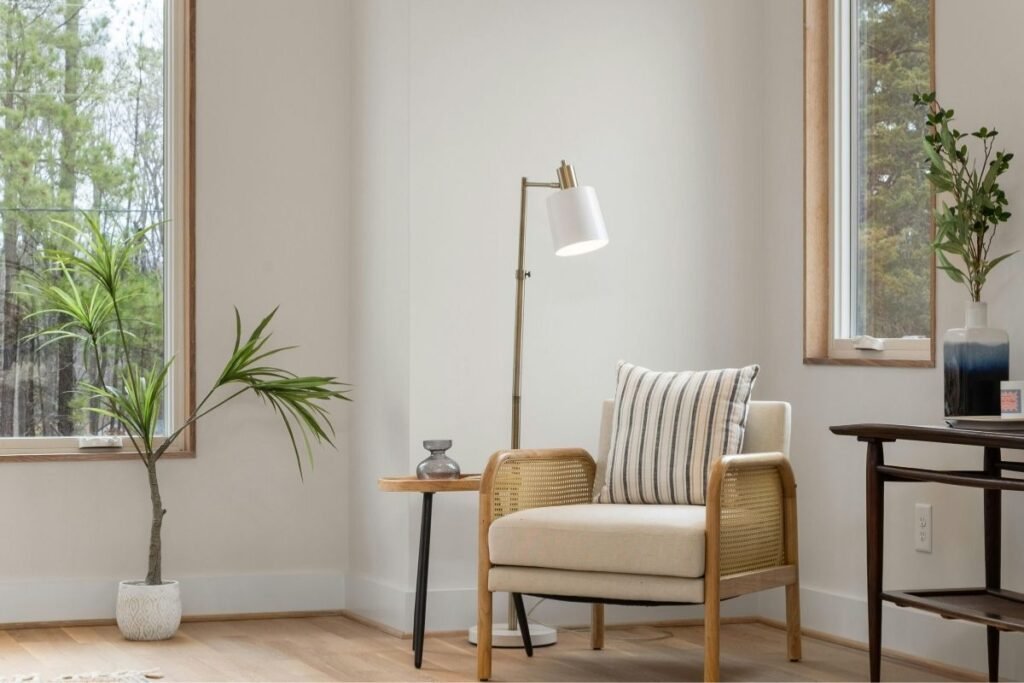
If your living room is on the bijoux side, do not panic. A small living room is not a design limitation; it is an opportunity to be intentional, creative and bold with every choice you make. Whether you are living in a cosy cottage, a city flat or a compact mews house, there is no need to shy away from striking colour, interesting pattern or layered textures. In fact, these intimate spaces are often the best places to take design risks that might feel overwhelming in a larger room.
The challenge of designing a small living room is real, but it is also manageable. With the right approach to furniture selection, storage solutions, colour and lighting, you can create a room that feels both spacious and deeply comfortable. Below, we have gathered 30 actionable small living room ideas, each one demonstrating how to maximize style and function in a compact space. Whether that means investing in clever storage, choosing furniture scaled appropriately for your room or using strategic colour and pattern, there are plenty of approaches you can take. Let us dive in.
30 Small Living Room Ideas to Maximize Your Space
Before we explore the 30 ideas, it is worth understanding why designing a small living room is actually an advantage. Compact spaces force intentional design decisions. You cannot simply fill a room with pieces and hope it works. Instead, every item must earn its place and contribute to the overall aesthetic.
Small rooms also benefit from a cocooning, intimate quality that larger spaces struggle to achieve. When designed thoughtfully, a small living room feels personal, collected and genuinely lived-in. This is not a disadvantage; it is a feature. The secret is balance: pairing bold colour choices with more muted elements, mixing patterns with solids, and layering textures to create depth without visual chaos.
A small living room invites you to be brave. Go bold with colour on the walls or in your soft furnishings. Embrace a striking pattern in your curtains or upholstery. Layer rich textures and warm tones. Then balance these bold elements with more neutral pieces that help the room breathe. The result will be a space that feels curated, intentional and far from cramped.
Also read : Cozy Living Room Ideas to Create a Warm Space
30 Small Living Room Ideas to Maximize Your Space
If your living room is compact, do not panic. Discover 30 stylish solutions to transform your small space into a functional, inviting retreat that feels both spacious and deeply comfortable.
1. Install Floor-to-Ceiling Built-In Shelving and Cabinetry
When storage is a problem, dedicating an entire wall to shelving and cabinetry is a practical solution that also becomes a design feature. Built-in shelving maximizes vertical space, creates a focal point and eliminates the visual clutter of freestanding storage pieces scattered around the room. Floor-to-ceiling units draw the eye upward, making the ceiling feel higher and the room feel larger. Choose a finish that coordinates with your walls for a seamless look, or go bolder with a contrasting paint colour or natural wood tones that add warmth.
2. Use Floating Shelves for Storage Without Visual Weight
If floor-to-ceiling built-ins feel too permanent or heavy, floating shelves offer a lighter alternative. They provide storage without the bulk of a cabinet, making them ideal for displaying books, plants, artwork and decorative objects. Floating shelves draw focus upward, which makes a small room feel taller. Space them generously to maintain a sense of calm and avoid the shelves feeling crowded. Style them with a mix of decorative items and functional storage to keep the look intentional.
3. Incorporate Storage Ottomans That Double as Seating
A storage ottoman serves multiple purposes: it acts as additional seating, a footrest, a side table and hidden storage for blankets, magazines or toys. In a small living room, this multifunctionality is invaluable. Choose one upholstered in a fabric that complements your sofa or in a bold colour or pattern that adds interest. A slim ottoman takes up less visual space than a traditional storage chest while still offering plenty of hidden storage inside.
4. Add Wall-Mounted Cabinets Above Furniture
Wall-mounted cabinetry above a sofa, console table or sideboard makes use of awkward vertical space without consuming floor area. These cabinets can store decorative objects, books or functional items while keeping the room feeling open and uncluttered. Choose styles with glass doors if you want to display items, or solid doors if you prefer hiding clutter. Light-coloured cabinets feel less heavy in a small space.
5. Choose Furniture With Built-In Storage
When selecting pieces for a small living room, prioritize furniture that serves multiple functions. Look for sofas with under-seat drawers, coffee tables with shelves below, or side tables with hidden compartments. These pieces maximize storage without adding visual bulk. A sofa with pull-out storage underneath offers a place to tuck away extra seating cushions or seasonal items, while a coffee table with lower shelving provides display space for books or decorative objects.
6. Install a Murphy Desk or Fold-Down Work Surface
If you need a workspace in your small living room, a murphy desk or fold-down surface is ideal. These pieces take up minimal space when not in use and can be tucked away or folded up against the wall. This is particularly useful in multipurpose rooms where living space doubles as a home office. A fold-down desk maintains the room’s relaxed atmosphere while providing a functional work area when needed.
7. Select a Compact Sofa or Apartment-Sized Sectional
The sofa is often the largest piece in a living room, so choosing the right scale is critical. An oversized sofa will dominate a small space and make it feel cramped, whilst a sofa that is too delicate will look out of proportion. Look for compact sofas and apartment-sized sectionals specifically designed for smaller spaces. These pieces offer comfortable seating without overwhelming the room. A sofa with exposed wooden legs feels lighter and less heavy than one on a closed base.
8. Pair an Antique Wing-Back Chair With a Slim Sofa
For a classic approach to small living room seating, combine an antique or vintage wing-back chair with a neat, compact sofa. This pairing offers visual interest and charm while taking up less space than a large sectional. The wing-back chair adds character and personality, whilst the slim sofa maximizes seating without bulk. This combination works particularly well in cottage or transitional-style rooms.
9. Choose Low-Profile Furniture to Make Ceilings Feel Higher
Furniture with low profiles makes a room feel taller and more open. Sofas with slim arms and lower seat heights feel less imposing than high-backed, overstuffed pieces. Low coffee tables and side tables create sight lines across the room, making it feel less confined. This principle applies to all furniture: the lower to the ground, the more spacious the room feels.
10. Invest in a Narrow Coffee Table to Maintain Walkway Circulation
A narrow or small-scale coffee table ensures plenty of room for people to move around the space without constantly navigating obstacles. Rather than a large rectangular table, consider a slim table, a round pedestal base, or even a nesting table set that can be separated when needed. The goal is maintaining clear pathways through the room so it does not feel cramped or difficult to navigate.
11. Opt for Furniture With Exposed Legs
Furniture with exposed legs creates visual lightness and allows you to see the floor beneath, which makes a room feel more spacious. Sofas, chairs, side tables and even beds with visible legs feel less heavy and bulky than pieces with closed bases. This design choice is simple but effective: it opens up sight lines and makes compact rooms feel airier.
12. Select Nesting Tables or Stacking Pieces for Flexible Solutions
Nesting tables and stacking pieces offer flexibility in a small space. They can be spread out when you need surface area or stacked together when you want to reclaim floor space. A set of nesting tables provides multiple surfaces for lamps, drinks and decorative objects without consuming much real estate. This adaptability is particularly useful in rooms where the layout or function might change.
13. Paint Walls in Warm, Enveloping Colors Like Chocolate Brown or Terracotta
Bold, warm colours work beautifully in small rooms because they make spaces feel intimate and cocooning rather than cramped. A rich chocolate brown, warm terracotta, deep forest green or earthy ochre creates an atmosphere of comfort and intentionality. These colours make a small room feel like a retreat rather than a restriction. The key is pairing these bold wall colours with more neutral furniture and accessories so the space does not feel overwhelming.
14. Use a Single Bold Accent Wall to Draw Focus
If painting the entire room in a bold colour feels too daring, choose a single accent wall. An accent wall in a rich colour, striking wallpaper or interesting texture draws the eye and creates a focal point without overwhelming the space. Position the accent wall where you want focus: behind the sofa, flanking a fireplace, or behind a seating area. This approach gives you the boldness you want without the visual weight of colour on all four walls.
15. Paint the Ceiling in a Lighter Shade to Create Height Illusion
A lighter ceiling makes a room feel taller. If your walls are a rich, dark colour, paint the ceiling in soft white, cream or a very pale version of your wall colour. This simple technique creates a height illusion and prevents the room from feeling like a box. Alternatively, if your walls are light, a slightly deeper ceiling still creates interest without making the space feel lower.
16. Apply Horizontal Stripes With Paint to Visually Widen a Narrow Room
A narrow living room benefits from horizontal stripes, which visually widen the space. Use painter’s tape to create horizontal lines across one or more walls, then paint alternating stripes in two complementary colours. The wider the stripes, the more dramatic the effect. This technique is playful, bold and highly effective at making a narrow room feel wider.
17. Use Colour Blocking With Rich, Warm Palettes to Create Coziness
Colour blocking means using distinct sections of contrasting colours. In a small room, consider blocking warm colours together: a chocolate brown lower half with a cream upper half, or a terracotta accent area with soft grey surroundings. This approach creates visual interest and draws the eye around the room in a way that feels intentional and curated.
18. Paint Woodwork in a Contrasting Colour to Add Architectural Interest
Painted trim, door frames and skirting boards in a contrasting colour add architectural interest to a small room. If your walls are soft white, paint the woodwork in a deeper tone like charcoal, sage green or navy blue. This adds definition and makes the room feel more designed. Conversely, if your walls are bold, painting the woodwork white or cream provides visual relief and prevents the space from feeling too heavy.
19. Layer Lighting With Overhead Fixtures, Table Lamps and Floor Lamps
A single overhead fixture creates harsh shadows and flat, uninviting light. Instead, layer multiple light sources to create warmth and ambiance. Combine an overhead fixture with table lamps on side tables, a floor lamp in a corner, and perhaps a wall sconce. This layered approach allows you to adjust light levels throughout the day and create the perfect atmosphere for different times and activities. It also makes the room feel more intentional and design-forward.
20. Install Wall Sconces to Free Up Floor and Table Space
Wall sconces are ideal in small living rooms because they provide light without consuming floor or table space. Flanking a mirror or artwork with a pair of sconces creates a focal point and adds sophistication. A single sconce beside a reading chair provides task lighting without a bulky floor lamp. Wall sconces save valuable surface area while adding a design element.
21. Use Mirrors Strategically to Reflect Light and Create Illusion of Space
Mirrors are a small room secret. They reflect light, making spaces feel brighter and more open. A large mirror opposite a window multiplies natural light throughout the room. Mirrors with decorative frames add style while serving a functional purpose. Consider leaning a large mirror against a wall, hanging multiple smaller mirrors as a gallery wall, or incorporating mirrored surfaces into furniture pieces. The psychological effect of a mirror making a room feel larger is powerful.
22. Mix Bold Patterns With Neutral Textiles to Create Visual Interest Without Chaos
Bold patterns and colours are not off-limits in small rooms; the key is balance. If you choose a striking pattern in your curtains or a piece of artwork, balance it with solid-coloured, neutral upholstery. Conversely, if your sofa is patterned, keep the walls and window treatments relatively plain. This mix-and-match approach lets you be brave with pattern without the room feeling chaotic or overwhelming.
23. Layer Curtains in Multiple Colours or Patterns for Depth and Drama
Rather than simple curtains in a single colour, layer multiple fabrics or patterns. Consider pairing a sheer curtain in a neutral tone with a patterned outer curtain in a bolder colour. Or layer two patterned curtains that complement each other. This approach adds depth, visual interest and a sense of intentional design. Layered curtains also provide flexibility in light control and privacy.
24. Use Patterned Wallpaper on One Wall Paired With Solid Paint Elsewhere
Wallpaper adds personality and can make a small room feel more designed. Applying patterned wallpaper to a single wall (behind the sofa, flanking a fireplace, or along a gallery wall) creates impact without overwhelming the space. Pair wallpapered walls with solid paint in a complementary colour on the other walls. This approach gives you the visual interest of pattern without the visual weight of wallpaper on all four sides.
25. Mix Fabric Textures: Linen, Velvet, Wool and Cotton in Coordinated Colours
Texture adds depth and visual interest to a small room. Mix different fabric textures in a coordinated colour palette: soft linen, plush velvet, warm wool and crisp cotton. Layer a velvet cushion on a linen sofa, add a wool throw blanket, and include cotton curtains. These varied textures create a tactile, inviting room that feels more sophisticated and intentional than a space with uniform, flat fabrics.
26. Create a Gallery Wall of Artwork to Draw Eyes Upward and Add Personality
A gallery wall is a brilliant use of vertical space in a small room. Rather than spreading artwork across walls, group multiple pieces together above a sofa, console table or focal point. This draws the eye upward, making the ceiling feel higher, and adds personality without consuming floor space. Mix frame styles, artwork sizes and mediums for an eclectic, collected look. A gallery wall demonstrates intentional design and personal taste.
27. Arrange Furniture in a Floating Layout to Define the Space and Improve Flow
Rather than pushing all furniture against the walls, try a floating layout where pieces are arranged away from the perimeter. This approach defines the living area, creates a sense of intimacy and actually makes the room feel larger by creating clear sight lines. A floating sofa with a side table and a floating chair create a conversation area that feels more intentional than furniture scattered around the room’s edges.
28. Position Seating to Face the Focal Point (Fireplace, Window or TV)
Arrange your seating so it faces a natural focal point: a fireplace, large window with a view, or entertainment centre. This creates a purpose and defines the space. If your room lacks a natural focal point, create one with a piece of art, a statement wall colour, or a feature like a bookshelf. Facing seating toward this focal point organizes the room and makes the layout feel intentional.
29. Angle Furniture Slightly Rather Than Pushing Everything Against Walls
Angling furniture at forty-five degrees rather than positioning it straight against walls creates visual interest and can make a small room feel larger. A sofa angled slightly toward a side chair creates a conversation area that feels cozier and more intentional. This approach breaks up the boxy feeling that comes from standard wall-hugging arrangement and adds dynamism to the space.
30. Leave Enough Space Between Furniture Pieces to Maintain Easy Circulation
Perhaps the most overlooked principle in small room design is negative space. Do not crowd furniture together or push every piece into the room. Leave clear pathways and space between items so the room feels open and uncluttered. This breathing room is essential for both the physical usability of the space and its visual feel. A room that is not packed wall-to-wall with furniture actually feels larger.
How to Balance Bold Elements in Small Spaces
Now that you have 30 specific ideas, let us talk about the principle that ties them together: balance. A small living room is the perfect place to be bold with colour, pattern and texture. The trick is knowing how to pair these bold elements with more muted ones so the space feels intentional rather than overwhelming.
Consider this approach: if your walls are a rich, warm colour like chocolate brown or terracotta, keep your sofa and main seating in a neutral tone like cream, soft grey or natural linen. This pairing gives you the warmth and intimacy of bold colour without the visual weight of bold colour everywhere. The neutral sofa becomes a resting place for the eye, allowing the room to feel spacious and calm.
Similarly, pattern mixing requires strategy. If your curtains are patterned, keep the upholstery solid. If your wallpaper is bold, use solid paint on the other walls and neutral furnishings. If you want multiple patterns in the room, make sure they share a colour palette so they feel coordinated rather than chaotic. A room with a navy blue pattern, a cream pattern and a terracotta pattern feels collected and intentional, whilst a room with multiple unrelated patterns feels busy and cluttered.
The same principle applies to textiles and textures. Layering velvet, linen and wool in a coordinated colour palette creates richness and interest. Layering those same textures in five different colours creates chaos. The coordination is key.
The goal is a room that feels designed, personal and deeply comfortable. This requires intention, but it does not require restraint. Small spaces benefit from bold choices, they just need to be balanced with more muted elements that let the room breathe.
Furniture Arrangement Tips for Small Living Rooms
The way you arrange furniture makes an enormous difference in how a small room functions and feels. Here are some key principles to keep in mind.
First, scale matters. A sofa that overwhelms the room makes the space feel smaller and more cramped. A sofa that is too delicate makes the room feel unbalanced. The goal is finding pieces that fit the proportions of the room. In general, your largest piece of furniture (typically the sofa) should not take up more than one-third of the room’s total visual space.
Second, create clear circulation paths. Before arranging furniture, identify the pathways people use to move through the room: from the door to the sofa, from the sofa to the window, from the living room to the adjacent kitchen or hallway. Make sure these pathways are clear and do not require navigating around obstacles. A room where you can move freely feels larger and more usable.
Third, define zones. Even in a small room, you might have multiple zones: a seating area, a reading nook, a workspace. Floating furniture and using area rugs or lighting to define these zones creates a sense of organization and purpose. Each zone should have a focal point and be distinct from the others, even if they are in the same room.
Fourth, consider sight lines. Arranging low-profile furniture and angling pieces so you can see across the room makes it feel larger. Blocking sight lines with large pieces creates a cramped, boxed-in feeling.
Finally, leave negative space. Do not fill every corner or push every piece of furniture into the room. Empty space is not wasted space; it is an essential design element that makes a room feel open and calm.
Storage Solutions That Do Not Sacrifice Style
Storage is often the biggest challenge in designing a small living room, but it is also an opportunity to add design interest and functionality. The key is choosing storage solutions that work hard and look good.
Built-in shelving and cabinetry are ideal because they are tailored to your room’s specific dimensions. A bespoke built-in unit that spans an entire wall maximizes vertical space, creates a focal point and eliminates the visual clutter of freestanding pieces. Built-ins feel like part of the architecture rather than an afterthought.
If permanent built-ins are not an option, floating shelves offer a lighter alternative that still maximizes vertical space. Style them with a mix of practical items and decorative objects to create a curated look. A beautiful shelf that is not crowded or chaotic reads as intentional and adds to the room’s design.
Hidden storage is also valuable. Ottoman with storage, sofas with under-seat drawers and coffee tables with shelves provide places to tuck away items without visible clutter. These pieces let you maintain a calm, uncluttered appearance whilst still having functional storage.
Wall-mounted cabinetry above furniture is another clever solution. A cabinet above a console table or sofa back provides storage without consuming floor space. Glass-fronted cabinets display attractive items whilst hidden the less beautiful ones behind solid doors.
The principle behind all effective storage solutions is this: everything should have a home, and that home should be hidden when possible. A small room with open clutter looks chaotic and cramped. A small room where everything is stored and organized looks peaceful and spacious.
Colour Palettes for Small Living Rooms
Choosing the right colour palette is one of the most impactful decisions in designing a small living room. Colour affects both how a space feels and how large or small it appears.
Warm, enveloping palettes work beautifully in small spaces. Chocolates, terracottas, warm greens, burnt oranges and earthy ochres create a cocooning, intimate atmosphere. These colours make a small room feel like a retreat rather than a restriction. A room with chocolate walls and warm wood furniture and textiles feels inviting and personally designed.
Cool neutrals like soft greys, warm whites and cool taupes create a different feel: calming, serene and slightly more spacious. If you want a room that feels open and airy, cool neutrals on the walls provide that sense. You can then add warmth through textiles, wood and accent colours in artwork or accessories.
The perceived size of a room also depends on colour. Very dark colours on all four walls can make a space feel smaller, though a single dark accent wall is a brilliant design choice. Very light colours everywhere can feel sterile if not balanced with warmth through textiles and wood tones.
The most successful small room palettes balance warm and cool, bold and neutral, pattern and solid. A palette might include: chocolate walls, cream upholstery, warm wood furniture, terracotta accents in artwork and accessories, and cool blue-grey textiles. This mix feels balanced, intentional and thoroughly designed.
Consider which palette resonates with you, and then test it. Paint a large swatch of your chosen colour on the wall and observe it in different light. Live with the colour for a few days before committing. A colour that feels lovely in the paint store might feel overwhelming in your actual room, or it might feel even better than you imagined.
Lighting Strategies for Small Spaces
Lighting transforms how a small room feels. A single overhead fixture creates harsh shadows and a flat, uninviting atmosphere. A well-lit room with multiple light sources feels warm, inviting and somehow larger.
Layer your lighting in three ways: ambient lighting (overall room light), task lighting (for specific activities like reading) and accent lighting (to highlight artwork or architectural features).
For ambient lighting, an overhead fixture provides background light, but it should not be your only source. Add table lamps on side tables flanking your sofa. These create pools of warm light that make the room feel intimate and cosy. A floor lamp in a corner provides additional light without consuming table space.
For task lighting, a lamp beside a reading chair or at a desk provides bright light for focused activities. Wall-mounted sconces beside a mirror or artwork also serve as task lighting whilst freeing up table and floor space.
For accent lighting, consider uplighting a bookshelf or using a small spotlight to highlight artwork. These subtle touches add visual interest and dimension.
The colour temperature of your bulbs matters too. Warm white bulbs (2700K) create a cosy, inviting atmosphere ideal for living rooms. Cool white bulbs (4000K and above) feel more clinical and are better suited to kitchens or workspaces.
Finally, do not underestimate natural light. Mirrors reflect it and multiply it throughout the room. Light-coloured curtains and sheer fabrics allow light to pass through. Large windows left uncovered (if privacy is not a concern) bring brightness into the space. A well-lit room always feels larger.
Textiles and Patterns in Compact Rooms
Textiles and patterns are not off-limits in small living rooms; they simply require a thoughtful approach. A room with only flat, solid fabrics feels monotonous. A room with layered textures, mixed patterns and varied soft furnishings feels rich, intentional and comfortable.
Begin with a colour palette. Decide on two to four main colours that will anchor your room. Then gather fabrics and patterns within those colours. A palette of terracotta, cream, warm grey and navy blue provides plenty of options whilst maintaining cohesion.
Within this palette, mix pattern types. Pair a geometric pattern with a floral, or a striped fabric with a subtle checked. Mix large-scale patterns with smaller prints. The variety makes the room feel collected and designed rather than matching-set and one-note.
Mix textures too. Smooth linen, plush velvet, chunky wool, delicate cotton and shiny silk in coordinated colours create a tactile, inviting space. A velvet cushion on a linen sofa with a wool throw looks far more interesting than a sofa dressed entirely in one fabric.
Curtains are an opportunity for drama and pattern. A striking patterned curtain, perhaps layered with a solid-coloured sheer, adds personality without consuming much physical space. A bold curtain pattern balanced with solid upholstery creates impact whilst feeling controlled.
Area rugs anchor a seating arrangement and add softness underfoot. In a small room, a smaller rug (rather than a large one) defines the seating area without overwhelming the space. The rug’s colour and pattern should relate to your overall palette.
The key to pattern and texture mixing is restraint and coordination. Not every surface needs to be patterned or textured. Leave some calm, solid surfaces as visual resting places. Build your scheme thoughtfully, and the result will be a room that feels rich, personal and intentionally designed.
Common Small Living Room Mistakes to Avoid
As you design your small living room, be aware of these common pitfalls that can make a space feel even more cramped.
Oversizing furniture is the most common mistake. A sofa that is too large dominates the room and makes it feel smaller. An oversized sectional in a small room is overwhelming. Choose pieces scaled appropriately for your space. It is better to have a comfortable, properly-sized sofa than an impressive oversized one that eats the room.
Using too many colours without a cohesive palette creates visual chaos. A room with ten different colours feels busy and chaotic. A room with three to four coordinated colours feels intentional and calm.
Pushing all furniture against walls is tempting but counterintuitive. A floating arrangement often makes a room feel larger than pushing everything to the perimeter. Create sight lines and definition by floating key pieces.
Neglecting vertical storage opportunities means missing out on crucial space. Small rooms need to use every inch of vertical space for storage and display. Wall-mounted shelves, cabinets and organisation solutions are non-negotiable.
Overcomplicating the layout with too many pieces makes a room feel cluttered. In a small space, every item should serve a purpose. If a piece does not contribute to function or aesthetics, remove it.
Ignoring negative space is a design error. Empty space is not wasted space; it is essential. A room packed wall-to-wall with furniture feels cramped. A room with breathing room feels open and calm.
Using only timid, safe design choices results in a room that lacks personality. Small rooms benefit from bold colour, interesting pattern and intentional design. Do not be afraid to make choices that reflect your personality and style.
Conclusion: Your Small Living Room Awaits
A small living room is not a limitation; it is an opportunity. The constraints of compact space force you to be intentional, creative and purposeful in every design choice. The result, when done well, is a room that feels personal, inviting and deeply comfortable.
As you implement these 30 ideas, remember the foundational principles: choose the right scale of furniture, maximise storage without sacrificing style, be bold with colour and pattern whilst balancing with neutral elements, layer your lighting, and create a layout that works hard and looks good.
Start with one or two ideas that resonate most with you. Perhaps that means installing built-in shelving, painting an accent wall in a rich colour, or investing in a compact sofa with exposed legs. Build from there, making intentional choices that reflect your personal style.
Assess what you already own. Do you have existing pieces that can be reused, reupholstered or repositioned? Often, the key to an updated living room is working with what you have, not starting from scratch. An existing sofa can be given new life with fresh upholstery. Curtains already in your possession can form the foundation of your colour palette. This approach not only saves money but creates a room that feels authentic and collected over time.
Your small living room is waiting to shine. With thoughtful design, bold choices and strategic solutions, you can transform a compact space into a room that feels spacious, stylish and genuinely livable. Start today, and enjoy the process of creating a room that brings you joy.