
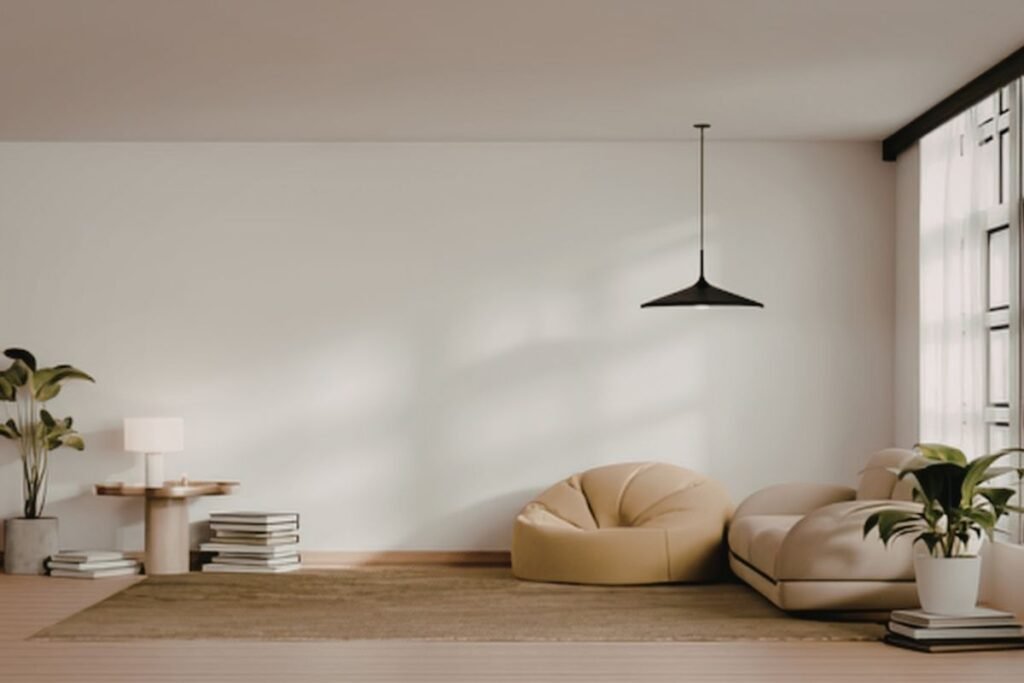
Modern living room design represents a shift toward intentional, functional spaces that prioritize both aesthetic appeal and everyday livability. Contemporary interiors are defined by clean lines, thoughtful material choices, and a deliberate balance between minimalism and warmth. This approach has become increasingly popular among homeowners who seek sophistication without sacrificing comfort or personal expression.
The living room serves as the heart of the home, a multipurpose space where family gathers, guests are entertained, and quiet moments of respite are found. Modern design principles offer practical solutions for creating rooms that are visually cohesive, functionally efficient, and genuinely pleasant to inhabit. From furniture selection to lighting design, each element plays a role in establishing a contemporary aesthetic.
This guide presents 20 modern living room ideas that bridge the gap between Instagram-worthy design and real-world functionality. These concepts work across different budgets, architectural styles, and personal preferences, offering flexibility for those ready to transform their space.
1. Embrace Neutral Walls with Bold Accent Furniture
Soft whites, warm grays, and creamy beiges create a serene foundation that lets your furniture do the talking. A statement sofa in deep charcoal, navy, or even a muted sage green becomes the hero of the room when everything else stays understated.
This approach keeps your space feeling airy while still delivering visual interest. You can swap out accent pieces seasonally without repainting or starting over completely.
Also read : Cozy Living Room Ideas to Create a Warm Space
2. Install Floating Shelves for Styled Storage
Floating shelves offer that modern minimalist look while giving you practical storage right at eye level. Style them with a curated mix of books, small plants, decorative objects, and personal photos to keep things from feeling too sterile.
The key is leaving breathing room between items so the shelves don’t look cluttered. This works beautifully above a console table or flanking a television to create a gallery-like effect.
3. Go Big with an Area Rug
A generously sized area rug anchors your seating area and instantly makes the space feel more intentional. Modern rooms often feature rugs with geometric patterns, solid textures, or subtle colors that tie your furniture grouping together.
Choose a rug that extends under at least the front legs of your sofa to ground the conversation area. Natural fibers like jute or sisal add warmth, while wool offers durability and softness.
4. Layer Different Lighting Sources
Modern living rooms need more than overhead lights. Combine a statement floor lamp, table lamps on side tables, and perhaps recessed lighting to create flexible ambiance you can adjust throughout the day.
Adjustable lighting makes your space feel bigger and lets you control the mood depending on whether you’re relaxing solo or entertaining guests. Dimmer switches are your friend here.
5. Choose a Low-Profile Sofa
Modern furniture tends toward clean lines and lower seats, creating a sophisticated silhouette that makes rooms feel more spacious. A low sofa with track arms or wooden legs feels contemporary without sacrificing comfort.
Pair it with an oversized throw and some texture through pillows to make it inviting rather than strictly architectural. This style works beautifully with console tables behind it or a floating shelf above.
6. Add Greenery for Life and Movement
Modern rooms balance hard surfaces and structured furniture with organic elements like plants. A tall fiddle leaf fig, cascading pothos, or structured snake plant brings visual softness and purifies the air simultaneously.
Group smaller plants on shelves or in corners, or commit to one statement plant as a focal point. Modern planters in ceramic, concrete, or matte finishes complement contemporary design better than ornate pots.
7. Incorporate a Statement Wall with Wallpaper or Paint
Go bold with a geometric pattern, subtle texture, or unexpected color on one wall to add depth without overwhelming the space. Modern wallpapers offer everything from oversized botanicals to abstract designs that feel fresh and intentional.
If wallpaper feels too permanent, a jewel-toned paint (emerald, deep blue, or warm terracotta) on a single wall creates instant sophistication. This gives you a backdrop for artwork and keeps the rest of the room balanced.
8. Install Modern Window Treatments
Swap heavy drapes for clean-lined roller shades, sleek roman shades, or floor-to-ceiling linen curtains in neutral tones. Modern window treatments should highlight natural light rather than fight it, so aim for materials that let you control visibility without blocking beauty.
Consider motorized shades for that extra touch of contemporary convenience. Even manually operated blinds in matte finishes feel more modern than ornate valances.
9. Create a Gallery Wall with Intention
Modern gallery walls skip the mismatched chaos and go for cohesive styling instead. Choose artwork in a consistent frame finish (black, white, or natural wood) with spacing that feels intentional rather than random.
Mix framed art with textile pieces, mirrors, or sculptural elements to add dimension. A well-planned gallery wall becomes a conversation piece that elevates the entire room.
10. Use Negative Space Intentionally
Modern design embraces breathing room. Don’t feel pressured to fill every corner or balance every piece of furniture. Strategic emptiness actually makes a room feel larger and more sophisticated.
Leave wall space uncluttered, position furniture away from corners occasionally, and resist the urge to accessorize every surface. This restraint is what separates modern from cluttered.
11. Invest in Quality Metallic Accents
Gold, brass, bronze, and matte black metals add contemporary polish without trying too hard. Incorporate these through hardware, lampstands, side table legs, or sculptural accessories.
Modern metallics work best when they’re mixed thoughtfully (pairing warm brass with cool black, for example) rather than all matching. This prevents the space from feeling too coordinated or showroom-like.
12. Choose Textured Upholstery Over Slick Fabrics
A sofa in boucle, linen, or performance fabric with subtle texture feels more interesting than flat velvet or leather. These materials catch light differently and add visual depth while staying modern and sophisticated.
Textured fabrics are also forgiving about daily living, which means your beautiful sofa still looks great after a weekend of family gatherings and Netflix binges.
13. Add a Modern Coffee Table as a Design Anchor
Modern coffee tables range from marble and glass to wood with clean lines to concrete looks. Choose one that complements your sofa style and anchors your seating conversation area with intention.
Style your coffee table with a coffee table book or two, a small plant, and a candle for a curated look that feels collected rather than overdone. Leave enough negative space that it doesn’t feel crowded.
14. Incorporate a Wooden Element for Warmth
Hardwood floors, wood paneling, wooden shelving, or wooden furniture prevents modern rooms from feeling cold or sterile. Wood brings organic warmth and texture that softens clean architectural lines.
Whether it’s a reclaimed wood accent wall, wooden side table, or floating shelves in natural finish, this element creates balance with all the metals and neutrals in contemporary design.
15. Install Sleek Media Storage or Entertainment Wall
If you need a television, build a modern entertainment center that integrates seamlessly into your design. Floating shelves around a TV, a streamlined console, or a wall-mounted unit with cable management creates order and intention.
Alternatively, lean into hiding your technology completely with a media console that closes or a wall-mounted TV above a floating shelf. This keeps the focus on design rather than screens.
16. Choose Low-Maintenance Decor That Still Feels Warm
Modern doesn’t mean minimalist to the point of coldness. Layer in cozy elements like a chunky knit throw, velvet pillows, and a soft area rug that make the space inviting for actual living.
The balance is key: choose pieces with clean lines and contemporary shapes, but in materials that feel touchable and comforting. This is how you get a room that photographs beautifully and feels genuinely enjoyable.
17. Create Contrast with Black and White Basics
A modern foundation of white, gray, and black never goes out of style. Layer in neutrals like cream, tan, and soft gray, then add visual interest through texture and a single accent color or warm metallics.
This approach keeps your space feeling timeless rather than trendy. You can shift the accent color or add seasonal accessories without major overhauls.
18. Use Large-Scale Art to Add Drama
Modern rooms often feature one or two oversized art pieces instead of a collection of smaller ones. A large abstract painting, a striking photograph, or a bold statement piece becomes a focal point that defines the entire room’s personality.
Position a statement piece where it naturally draws the eye, like above a sofa or console table. This creates visual weight and makes the space feel intentionally designed rather than randomly decorated.
19. Integrate Smart Storage Solutions
Built-in shelving, hidden storage benches, or a media console with drawers keeps clutter out of sight while maintaining clean aesthetic lines. Modern living is about functional beauty where everything has a purpose and a place.
Invest in stylish storage boxes or baskets that hide everyday items while sitting visibly on shelves or under side tables. This keeps your space looking curated rather than cluttered.
20. Layer Multiple Seating Options
Modern living rooms often include a sofa, accent chairs, and perhaps a comfortable ottoman or floor cushions. This flexibility lets you accommodate guests, create cozy reading nooks, and adapt to how your family actually uses the space.
Choose pieces in complementary colors and styles so the room feels cohesive rather than random. A reading chair by the window, a modern accent chair opposite the sofa, or a low pouf all work beautifully in contemporary design.
Final Thoughts
Modern living room design is about creating spaces that feel both beautiful and genuinely livable. It’s the intersection of clean lines and comfortable textures, intentional styling and breathing room, sophistication and warmth. Your living room should reflect how you actually live, not how you think a room should look.
Start with the ideas that resonate most with your lifestyle and aesthetic. Build your space intentionally, layer in elements that make you happy, and don’t hesitate to leave the things that don’t serve your vision. That’s where true modern design lives.