
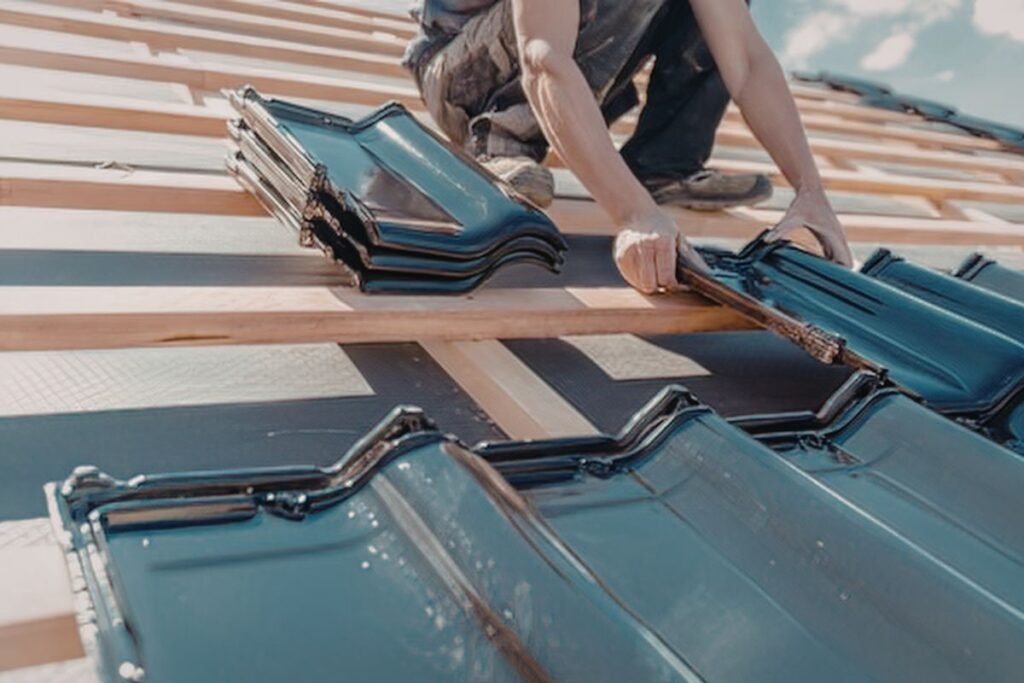
Metal siding panels often look like a smart upgrade from the start. They are durable, modern, and usually marketed as a low-maintenance choice that can last for years. That part is true. But the number many homeowners focus on first is the panel price, and that is where trouble starts. The real cost of the project usually goes well beyond the panels themselves.
That is why understanding the hidden costs of installing metal siding panels matters before you sign a contract or order materials. A quote can look simple and affordable on paper, then grow once tear-off begins, repairs show up, and finishing details get added. None of that means metal siding is a bad investment. It just means the full cost is often larger than people expect.
Why the Initial Quote Is Not Always the Full Price
A basic siding quote usually covers the obvious pieces. You get the panels, some standard trim, labor for installation, and maybe a rough estimate for finishing. That sounds complete, but in real life, most homes are not perfectly ready for siding the moment the crew arrives. Walls need prep. Old materials need to come off. Flashing details need extra work. And that is before you get into site access, insulation, or cleanup.
This is where many budgets get stretched. The quote often assumes a straightforward project with no surprises. But exterior work almost always comes with surprises. A home may have hidden moisture damage, uneven framing, or older materials that take longer to remove. What looked like a tidy job can turn into a layered one very quickly.
What Most Basic Siding Quotes Usually Include
Most standard quotes include the metal siding panels, a set amount of labor, and common trim pieces needed for a typical install. Some also include fasteners and basic weather protection, but not always at a premium level. If the house is one story, has easy access, and does not need much prep, the estimate may stay fairly close to the final price.
The problem is that many homeowners assume a quote includes every part of the job from start to finish. In reality, some contractors separate removal, repair work, disposal, permit fees, and custom trim into extra charges. If those details are not listed clearly, it is easy to think everything is covered when it is not.
Why Final Costs Often Climb During the Project
The final bill often climbs because the project reveals real conditions instead of ideal ones. Once old siding comes off, the wall underneath tells the truth. You may find soft sheathing, signs of leaks, insect damage, or framing that is not level enough for a clean metal install. None of that shows up in a quick visual quote from the driveway.
Costs also rise when homeowners make upgrade decisions mid-project. It happens all the time. The new siding starts to go up, then the trim looks dated, the soffit looks worn, and suddenly the job grows. It is understandable. Once one part of the exterior looks fresh, everything around it gets compared to that new finish.
Wall Preparation and Surface Repairs
One of the biggest hidden costs comes before the new panels even go on the house. Metal siding needs a stable, well-prepared surface. If the wall underneath is damaged, warped, or uneven, the siding will not sit right. And metal is not forgiving. It tends to show dips, waves, and poor alignment more than softer materials do.
That means prep work matters a lot. Even a beautiful panel can look cheap if the surface under it is not flat and solid. So while homeowners often budget for the visible siding, they forget to budget for the invisible work that makes the final result look clean.
Removing Old Siding Before Installation
If your home already has siding, it usually needs to come off before the new metal panels go on. That sounds simple, but tear-off can add a meaningful amount to labor costs. Crews need time to remove the old material carefully, sort debris, and haul it away. Heavier materials or layered old siding can make the job slower and more expensive.
Disposal costs come with that too. Dump fees, hauling charges, and dumpster rental can all show up on the final invoice. If the old siding includes difficult materials or years of layered repairs, the removal stage can cost more than expected before the new installation even begins.
Repairing Damaged Sheathing or Framing
Once the old siding is gone, hidden damage often becomes visible. Water stains, soft wood, rot around windows, and insect damage are common discoveries. If the sheathing is weak or the framing is compromised, it needs repair before new siding goes on. Skipping that step only hides the problem for later, and that usually costs even more in the long run.
These repairs are one of the most common reasons exterior budgets jump. They are also one of the hardest costs to predict in advance. A contractor may suspect an issue, but nobody really knows the condition until the wall is opened up. That uncertainty is part of the reason a contingency fund matters so much.
Leveling and Preparing the Surface
Even if the wall is dry and structurally sound, it may still need work to become siding-ready. Metal siding panels need a flat base for proper installation and appearance. If the wall has bows, uneven framing, or surface changes from old repairs, the crew may need to install furring strips or make other adjustments to level things out.
This part is easy to overlook because it is not dramatic. It is not a major repair, and it is not visible when the job is done. But it adds labor, materials, and time. And with metal siding, those little corrections can make the difference between a crisp, professional look and a finish that feels slightly off every time you see it.
If you are comparing exterior material options, it also helps to review suppliers like PBS Direct for product availability, panel styles, and project-friendly ordering options.
Underlayment, Moisture Barriers, and Insulation Upgrades
Metal siding panels are not just decorative shells. They are part of a wall system, and that system needs proper layers behind it. Moisture control matters. Air sealing matters. Condensation management matters. These supporting materials are not always the exciting part of the project, but they have a direct impact on performance and durability.
This is another area where hidden costs show up. A homeowner may expect to pay for panels and labor, then realize the wall needs upgraded wrap, better flashing tape, or added insulation to meet project goals. These items are worthwhile, but they still affect the budget.
House Wrap and Weather Barrier Costs
A good moisture barrier protects the wall behind the siding from water infiltration and wind-driven rain. In some cases, the existing wrap may be damaged, outdated, or missing in sections. That means new wrap needs to be installed before siding can go on. Better-quality weather barriers can also cost more than basic options.
The challenge is that these layers are easy to underestimate because they disappear once the project is complete. But just because you do not see them later does not mean they are minor. A solid weather barrier is part of what helps the siding system perform the way it should.
Adding Insulation Behind Metal Siding Panels
Many homeowners decide to add insulation during a siding project because the walls are already exposed. It makes sense. If you are paying for exterior work anyway, it is tempting to improve comfort and energy efficiency at the same time. But rigid foam board or other insulation upgrades add both material and labor costs.
They can also change the wall assembly, which may require longer fasteners, deeper trim details, or additional framing adjustments. So the insulation itself is only part of the added cost. The real number often includes the extra work needed to make the whole system fit properly.
Vapor and Condensation Management
Metal reacts differently to temperature changes than some other siding materials. That means condensation planning matters. In climates with moisture swings, the wall system may need better ventilation, drainage space, or moisture control details to prevent issues over time.
This is not the kind of upgrade most homeowners think about when comparing siding options. But it is one of those behind-the-scenes costs that supports long-term performance. When ignored, it can lead to bigger problems later. When handled well, it adds upfront cost but protects the investment.
Trim, Flashing, and Finishing Pieces Add Up Fast
This is where budgets quietly get stretched. Homeowners often focus on the square footage price of the panels and forget that trim pieces, flashing, transitions, and edge details are a major part of the project. These pieces help the installation look finished, seal out water, and give the home a polished appearance.
And unlike the panels, which are measured in large areas, finishing pieces show up everywhere. Around corners. Under rooflines. Around windows and doors. At transitions between materials. One small section may need several custom pieces, and those costs add up fast.
Corner Trim and Transition Pieces
Inside corners, outside corners, J-channels, starter strips, and edge trim all play a role in a clean install. These parts are essential, not decorative extras. But they often cost more than homeowners expect, especially when the house has many corners, additions, or transitions between siding types.
A simple rectangular home may need far fewer pieces than a house with bump-outs, porches, and design changes. That is why two homes with similar square footage can have very different trim costs. Complexity changes everything.
Flashing Around Windows, Doors, and Rooflines
Flashing is one of those details that sounds boring until it is done badly. Then it becomes very important. Proper flashing helps direct water away from openings and joints, which is critical for protecting the wall structure behind the siding.
The hidden cost here comes from both materials and labor. Flashing often needs custom cuts, careful bending, and precise fitting around windows, doors, gables, and roof intersections. These are detail-heavy parts of the job, and detail-heavy work usually costs more.
Soffit, Fascia, and Accent Matching
Once the siding project begins, many homeowners notice that nearby exterior elements no longer match the fresh new panels. Old soffits, faded fascia boards, or worn accent pieces can make the new install look incomplete. That leads to upgrade decisions that were not part of the original plan.
It makes sense emotionally. You spend money on beautiful new siding, then the trim above it starts to look tired. But every added section increases the cost. Matching the whole exterior may create a better result, though it definitely expands the budget.
Labor Costs Beyond Basic Installation
Labor pricing for metal siding is not always straightforward. A basic rate may apply to easy, open wall areas, but more complex homes take more skill, more time, and often more equipment. Metal siding installation is not just about fastening panels in place. It is about measuring accurately, cutting cleanly, aligning profiles, and handling details without damaging the finish.
That is why labor costs can vary so much from one home to another. The hidden cost is not always an extra fee. Sometimes it is the fact that a more difficult home simply requires more hours and more specialized effort than the quote first suggests.
Multi-Story Homes and Difficult Access
A one-story home with clear access is much easier to side than a tall home with limited space around it. Multi-story houses often need scaffolding, lifts, or extra safety equipment. Steep terrain, landscaping, fences, and tight property lines can also make access harder for the crew.
All of that adds labor time and sometimes rental costs. Even if the siding area is not huge, difficult access can still raise the final price. It is one of those project factors that feels unfair until you see how much extra work it creates on-site.
Custom Cutting and Detailed Layout Work
Homes with many windows, gables, dormers, angled sections, or decorative features take longer to side. Every cut needs care. Every line needs to stay straight. And with metal siding, mistakes can be harder to hide than with some softer materials.
This is where experienced installers earn their pay. The labor is slower because the work is more exact. A simple wall goes quickly. A wall filled with interruptions does not. That difference in detail can increase both labor costs and material waste.
Higher Rates for Skilled Metal Siding Installers
Metal siding is not the hardest exterior material in the world, but it does require a crew that knows what they are doing. Skilled installers often charge more than crews that mainly work with easier siding types. That higher rate can surprise homeowners comparing estimates.
Still, this is not the place to cut corners. Paying for experience often saves money in the long run because the finished job looks better, leaks less, and avoids avoidable mistakes. Cheap labor can turn into expensive correction work later.
Waste, Overages, and Material Loss
Not every panel ordered ends up on the wall. Some need to be cut. Some get damaged during delivery or handling. Some are ordered as extra stock so future repairs can be matched. This is normal, but it still affects the real material cost of the project.
Homeowners sometimes assume the panel count should match the exact wall area. That is rarely how it works in practice. Real-world jobs need breathing room for cuts, layout, and the unexpected.
Why Extra Panels Are Usually Needed
Extra panels are ordered for a reason. Cutting around windows, doors, corners, and rooflines creates offcuts that cannot always be reused efficiently. Future repair stock is also smart, especially if the color or profile may be harder to match later.
This means your project may require more material than the square footage suggests. It is not wasted money. It is part of planning the job properly. But it does count as a hidden cost if you did not know to expect it.
Delivery Damage and Storage Issues
Metal panels can be scratched, bent, or dented if they are not handled carefully during shipping or on-site storage. If replacements are needed, that can affect both timeline and budget. Weather exposure during staging can also create issues if materials are not protected properly.
This is another reason why experienced contractors matter. They tend to manage delivery and storage better. Still, material loss happens sometimes, and it is worth asking upfront how damage is handled and who pays if replacements are needed.
Permits, Inspections, and Code Requirements
Exterior renovation work sometimes requires permits, and that is a cost many homeowners forget to include in the early budget. Permit fees vary by location, and some towns are stricter than others. A siding job may seem simple, but local rules can still apply, especially if structural repairs, insulation changes, or weather barrier upgrades are involved.
Inspections can also add time or trigger required corrections. That does not always happen, but it is possible. A project can start as a straightforward siding replacement and then bump into local code expectations that raise the final cost.
Permit Fees for Exterior Renovation Projects
Depending on where you live, even exterior cladding replacement may need a permit. Some areas charge modest fees, while others charge more based on project value. These are not usually the biggest numbers in the budget, but they still matter.
More importantly, a permit process can uncover other required steps. Once a job is official, it may need to meet current standards rather than older construction habits. That can be a good thing for quality, but it may increase the total bill.
Code Upgrades That May Be Required
Sometimes the hidden cost is not the permit itself. It is what the permit reveals. A home may need better moisture protection, updated flashing details, or correction of existing wall issues before new siding can be approved. In some cases, fire resistance or structural improvements may also come up.
Homeowners often do not think of code compliance as part of a siding budget, but it can absolutely affect the project. It is another reason to ask detailed questions early rather than assuming the quote covers every possible requirement.
Disposal and Cleanup Costs
Nobody gets excited about dumpsters and debris, but they are part of the real project cost. Old siding, packaging, cut scraps, nails, and general construction mess all need to be removed from the site. Sometimes cleanup is included in the quote. Sometimes it is handled as a separate charge.
This cost feels small compared to panels and labor, but it can still be enough to catch homeowners off guard. And if cleanup is poorly managed, it affects the whole experience of the project.
Old Material Disposal Fees
Old siding removal often leads to weight-based disposal fees, hauling costs, or dumpster rental. The more material that comes off the home, the more those fees matter. Some materials are also more awkward or expensive to discard than others.
If this is not clearly included in the quote, it becomes one more surprise charge at the end. That is why it helps to ask exactly what happens to old materials and who is responsible for hauling them away.
Site Cleanup and Final Debris Removal
Even after the main debris is gone, there is still packaging, scrap metal, fasteners, and jobsite mess to clear. A thorough cleanup takes time, and time costs money. It also matters for safety and appearance, especially if you have kids, pets, or landscaping around the house.
A professional crew will usually include reasonable cleanup as part of the project, but not every quote handles it the same way. It is worth confirming rather than assuming.
Color, Finish, and Custom Order Upcharges
This is where style choices start affecting the budget. Standard colors and common profiles are usually the most affordable. But once homeowners fall for premium finishes, specialty coatings, or less common colors, the price can rise quickly.
That does not mean you should avoid the look you love. It just means some design decisions come with added cost beyond the standard panel rate.
Premium Coatings and Protective Finishes
Better coatings often offer stronger fade resistance, improved corrosion protection, and longer warranties. That can be worth paying for, especially in harsh climates or on highly visible homes where appearance matters a lot.
Still, premium finishes cost more upfront. A homeowner comparing only base prices may not realize how much the final number changes once upgraded coatings are selected. It is one of those hidden costs that enters quietly through a style decision.
Custom Colors and Special Profiles
Made-to-order colors, unusual profiles, or specialty panel designs often come with minimum order requirements, higher material prices, and sometimes extra shipping costs. Lead times may also be longer, which can affect scheduling and labor planning.
Custom looks can absolutely elevate a home. But they rarely behave like off-the-shelf materials in the budget. If the product is less standard, the price is usually less standard too.
Long-Term Costs Homeowners Should Still Consider
Even though this article focuses on installation, it is worth mentioning that the real cost of siding includes ownership over time. Metal siding is often lower maintenance than many alternatives, but it is not completely free of future expense. That does not make it a poor choice. It just makes it a realistic one.
Sometimes the hidden cost is not part of the install invoice. It is the fact that a homeowner expects zero ongoing attention when the material still needs occasional care.
Maintenance and Cleaning Needs
Metal siding panels usually need occasional washing to remove dirt, dust, and buildup. In some locations, they may also need inspection after severe weather. Small scratches or chips may need touch-up work to keep the finish looking good and help prevent long-term wear.
These are not huge costs, but they still exist. They are part of owning the material well, especially if you want the exterior to keep its fresh look over time.
Repair or Replacement of Damaged Panels
If a panel gets dented or damaged later, partial replacement can be trickier than some homeowners expect. Matching older colors may be harder after sun exposure and product changes. Labor for a small repair can also feel disproportionately expensive because setup and finish work still take time.
This is why keeping a few extra panels from the original install is smart. It may feel like an unnecessary cost upfront, but it can save frustration later.
Future Access Costs for Exterior Repairs
Sometimes the issue is not the siding itself. It is something behind it. If a future repair involves wiring, moisture issues, or structural access, nearby siding sections may need to be removed and reinstalled. That creates labor cost even when the panels are still usable.
It is not a common cost every year, of course. But it is part of the long-term picture. Exterior systems are connected, and access can become part of the expense later.
How to Budget More Accurately for Metal Siding Installation
The best way to avoid budget shock is to expect that the base quote is not the whole story. Ask for a detailed, line-by-line estimate. Find out exactly what is included, what is excluded, and what conditions could change the price after work begins. That conversation alone can save a lot of frustration.
It also helps to compare contractors based on more than just the number at the bottom. A slightly higher quote that includes prep work, disposal, trim, and cleanup may actually be more honest and more affordable than a lower quote full of missing pieces.
Ask for a Full Scope Quote
A good estimate should cover tear-off, wall prep, trim, flashing, weather barrier details, cleanup, and disposal if those are part of the expected project. If something is listed as an allowance or possible add-on, ask when it becomes necessary and how it will be priced.
The clearer the quote, the better your planning will be. Vague estimates often lead to expensive surprises.
Build in a Contingency Fund
With exterior work, surprises happen. It is wise to set aside a contingency fund from the beginning. Even a modest buffer can make a big difference if repairs or upgrades show up once the walls are opened.
Without a buffer, every surprise feels like a crisis. With one, the project stays manageable even when reality steps in.
Compare More Than Just Price
The cheapest quote is not always the best deal. Compare experience, warranty coverage, material quality, scope detail, and what happens if hidden issues are found. You want a contractor who explains the project clearly and prices it honestly, not just one who makes the first number look low.
A realistic quote may feel less exciting at first, but it usually creates a smoother project in the end.
Are the Hidden Costs of Installing Metal Siding Panels Worth It?
In many cases, yes. Metal siding panels can still be a very good investment. They offer durability, a clean look, and lower maintenance than some traditional materials. The problem is not the cost itself. The problem is going in with incomplete expectations.
When homeowners understand the full picture, the higher upfront spend often feels easier to justify. They are not being blindsided by trim costs, repair work, or added layers behind the panels. Instead, they are making a smart decision with open eyes.
FAQs
What is usually not included in a metal siding installation quote?
Basic quotes often leave out tear-off, disposal, wall repairs, upgraded moisture barriers, permit fees, scaffolding, and some trim or flashing details. Always ask for a full scope breakdown.
Do metal siding panels require extra wall preparation?
They often do. Metal siding needs a stable and even surface, so damaged sheathing, uneven framing, or moisture issues may need repair before installation begins.
Why does trim and flashing cost so much with metal siding panels?
Because these parts are detail-heavy and essential for both appearance and water control. Windows, doors, corners, and rooflines all require careful finishing, and that adds both labor and material cost.
Should I budget extra for metal siding installation?
Yes. A contingency fund is a smart idea for almost any exterior project. Hidden damage, access problems, and upgrade decisions are common once the work starts.
Are metal siding panels still worth it despite the hidden costs?
They often are. Metal siding panels can deliver strong durability, a modern look, and low maintenance over time. The key is understanding the full cost before the project begins.
Final Thoughts
The biggest lesson here is simple. The panel price is only one part of the story. The hidden costs of installing metal siding panels usually come from prep work, finishing details, access challenges, moisture control, and the many small decisions that happen during a real-world project. Those costs are not fake or inflated. They are just often missing from the first mental calculation homeowners make.
That is why the smartest approach is to plan for the full job, not just the visible materials. Ask better questions. Read quotes closely. Leave room in the budget for the unexpected. When you do that, metal siding panels can still be a strong and worthwhile choice, just without the nasty surprise at the end.