
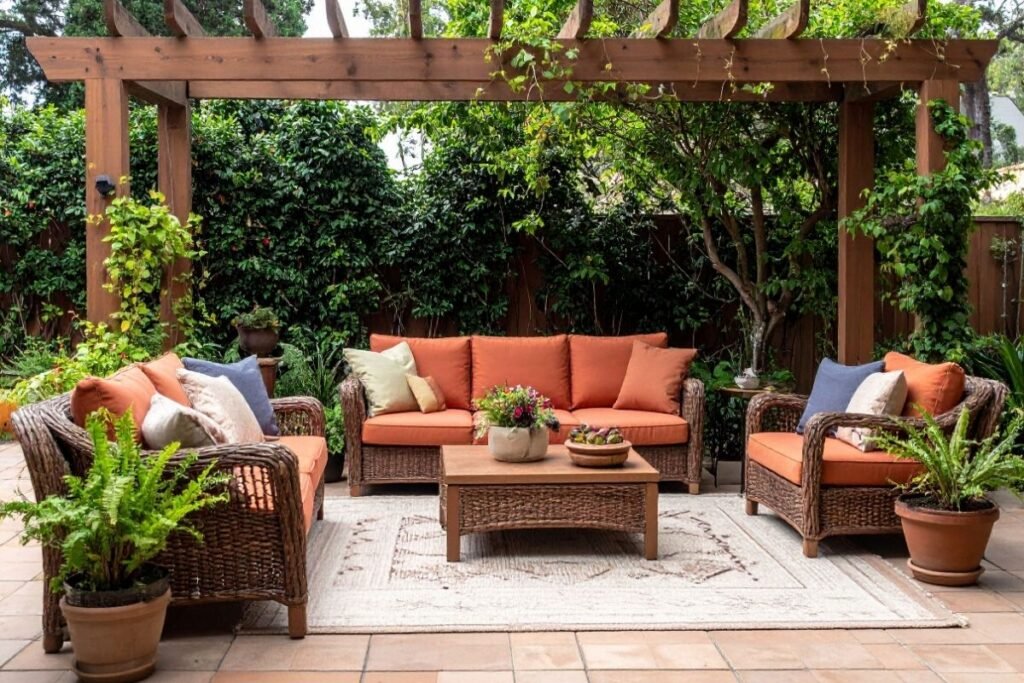
Imagine stepping outside on a warm summer evening to a beautifully shaded area where you can dine with friends, relax with a book, or simply unwind from the day. This is the magic a pergola brings to your home. Whether you’re looking to enhance your backyard’s curb appeal or create a functional outdoor living space, a pergola is one of the most versatile and stylish solutions available for homeowners today.
Pergolas have evolved from traditional Italian garden structures to modern architectural features that blend seamlessly with contemporary home designs. They offer the perfect balance between form and function, providing partial shade without the heavy investment required for fully enclosed structures like gazebos or sunrooms. From intimate garden corners to expansive patio covers, pergolas adapt to any space and budget.
In this comprehensive guide, we’ll walk you through everything you need to know about pergolas. Whether you’re a first-time buyer curious about what pergolas are, a homeowner ready to invest in an outdoor upgrade, or someone considering a DIY project, you’ll find practical insights on design styles, materials, costs, installation methods, and maintenance tips. By the end, you’ll have all the information needed to choose the perfect pergola for your property and create an outdoor sanctuary you’ll enjoy for years to come.
What is a Pergola?
Understanding the basics of pergola construction and design is essential before deciding if this outdoor structure is right for your home. Let’s explore what makes pergolas unique and how they differ from other outdoor structures.
A pergola is a garden structure consisting of wooden or metal beams arranged in a grid pattern overhead, creating a framework that provides partial shade and an architectural focal point for your outdoor space. Unlike a gazebo or pavilion, pergolas feature an open-roof design that allows sunlight and rainfall to filter through, making them ideal for creating comfortable semi-shaded areas in your backyard, patio, or garden.
Pergolas have been used in landscape design for centuries, originating from Italian Renaissance gardens. Today, they remain one of the most popular outdoor structures for homeowners seeking to enhance their property’s aesthetic appeal and functionality.
Benefits of Adding a Pergola to Your Home
Pergolas offer numerous advantages beyond their visual charm. Discover why thousands of homeowners are investing in pergolas to enhance their properties.
Pergolas offer numerous advantages beyond their visual charm. Here are the key benefits of investing in this outdoor structure:
Enhanced Outdoor Living Space A pergola transforms your backyard into an inviting retreat where you can relax, entertain, or dine outdoors. The partial shade makes it comfortable to spend time outside even during warm weather, extending your outdoor season.
Aesthetic Appeal and Property Value Pergolas add architectural interest and curb appeal to any property. Well-designed pergolas can increase your home’s visual appeal and potentially boost its resale value by creating an attractive outdoor living area.
Flexible Shading Solution The open-beam design provides dappled shade while allowing air circulation, creating a comfortable outdoor environment. You can enhance shading by adding climbing vines, shade cloth, or retractable covers.
Cost-Effective Alternative Compared to fully enclosed structures like sunrooms or gazebos, pergolas offer an affordable way to expand your living space and improve your outdoor environment.
Support for Climbing Plants The overhead beams are perfect for training climbing vines like clematis, wisteria, or climbing roses, adding greenery, privacy, and natural beauty to your garden.
Increased Home Functionality Pergolas create defined outdoor rooms for various activities: a dining area, relaxation zone, garden focal point, or pool-side retreat.
Popular Pergola Designs and Styles
Pergola design has evolved to accommodate various aesthetic preferences and functional needs. From traditional wooden structures to sleek modern designs, there’s a pergola style to match any home’s architecture and landscape.
Traditional Wooden Pergola Classic wooden pergolas feature natural wood construction with evenly-spaced beams. Cedar and redwood are popular choices due to their durability and weather resistance. Wooden pergolas work well with transitional and cottage-style homes.
Modern Metal Pergola Contemporary pergolas use aluminum or steel for a sleek, minimalist look. Metal structures are lightweight, low-maintenance, and perfect for modern and urban landscapes.
Attached Pergola These pergolas connect directly to your home, extending from the roof line or wall. They’re ideal for creating a transition between indoor and outdoor spaces, perfect for patio covers.
Freestanding Pergola A standalone structure that can be positioned anywhere in your yard. Freestanding pergolas offer flexibility in placement and can serve as a garden focal point or dining pavilion.
Pergola with Retractable Shade Modern pergolas featuring motorized retractable shade cloth or louvered roofs provide adjustable sun protection. These premium options offer maximum flexibility for different weather conditions.
Pergola Arbor Hybrid A combination structure that bridges the gap between a simple arbor and a full pergola, often used as an entrance feature or garden pathway cover.
Pergola Materials: Choosing the Right Option
The material you select for your pergola significantly impacts its durability, maintenance requirements, appearance, and cost. Each material offers distinct advantages and considerations depending on your climate, budget, and lifestyle preferences.
Wood Wood remains the most popular pergola material due to its natural beauty and warmth.
Advantages: Beautiful aesthetics, blends with gardens, relatively affordable, can be stained or painted Disadvantages: Requires regular maintenance, susceptible to rot and insects, needs annual staining or sealing Best for: Traditional designs, natural settings, homeowners willing to maintain their structures Popular wood types: Cedar, redwood, pressure-treated lumber, tropical hardwoods
Aluminum Lightweight and modern, aluminum is increasingly popular for pergola construction.
Advantages: Low-maintenance, rust-resistant, durable, contemporary appearance, lightweight Disadvantages: Can become hot in direct sun, less natural aesthetic, higher initial cost Best for: Modern homes, areas with minimal maintenance preference, coastal regions
Vinyl PVC vinyl pergolas offer a maintenance-free alternative to wood.
Advantages: Zero maintenance required, won’t rot or splinter, long-lasting, clean aesthetic Disadvantages: Limited color options, can look plastic-like, higher cost, less natural appearance Best for: Homeowners prioritizing maintenance-free solutions, high-humidity regions
Steel Heavy-duty steel pergolas provide maximum strength and industrial aesthetics.
Advantages: Extremely durable, strong, supports heavy climbing plants, distinctive look Disadvantages: Requires rust prevention, heavier than aluminum, can be expensive Best for: Modern designs, premium installations, heavy vine support needed
Fiberglass A newer option combining strength with low maintenance requirements.
Advantages: Lightweight, durable, customizable, low maintenance Disadvantages: Newer technology with fewer options, higher cost Best for: Contemporary designs, buyers seeking durability with minimal upkeep
Pergola Size and Dimensions: Planning Your Structure
Getting the size right is crucial for both functionality and visual balance in your outdoor space. A pergola that’s too small may feel cramped or visually insignificant, while one that’s too large can overwhelm your patio or yard.
When planning your pergola installation, size is a critical consideration that affects both functionality and visual impact.
Common Pergola Dimensions
Standard sizes range from 8 x 8 feet for intimate garden spaces to 16 x 16 feet or larger for expansive patios.
Small pergolas (8 x 8 to 10 x 10 feet): Ideal for intimate seating areas, small patios, or garden accents. Fits most residential lots without overwhelming the space.
Medium pergolas (12 x 12 to 14 x 14 feet): The most popular size for residential installations. Provides ample shade for dining areas or seating zones while maintaining proportional aesthetics.
Large pergolas (16 x 16 feet or larger): Best for expansive patios, pools, or commercial applications. Creates a dramatic focal point and accommodates multiple furniture arrangements.
Height Considerations
Standard pergola height ranges from 7 to 9 feet from ground to top of structure. Choose height based on:
Your headroom preferences (taller structures feel more open) Vine coverage plans (allow room for climbing plants without blocking views) Local building code requirements Proportion to your home’s architecture Sunlight penetration needs
Installation: DIY vs. Professional Installation
One of the biggest decisions when planning your pergola project is whether to tackle it yourself or hire professionals. Each approach has distinct advantages, costs, and challenges worth considering before you start.
DIY Pergola Installation
Difficulty level depends on structure complexity. Simple freestanding wooden pergolas can be manageable for experienced DIYers with proper tools and instructions.
Requirements: Basic carpentry skills, power tools, concrete or ground anchors, level surface, building permits Time investment: 2-4 days for a medium pergola Cost savings: Potential 20-40% reduction by eliminating labor costs Challenges: Ensuring proper alignment, securing foundations, calculating correct beam spacing
Recommended for: Experienced DIYers comfortable with construction, simple designs, those with proper tools
Professional Installation
Hiring professionals ensures proper construction, alignment, and longevity.
Advantages: Expert craftsmanship, proper permit handling, guaranteed results, structural warranties Cost: Includes labor, permits, and expertise; adds 30-50% to total project cost Timeline: Faster completion with professional crew Best for: Complex designs, attached pergolas, first-time builders, those seeking warranty protection
Pergola Cost Breakdown
Understanding pergola pricing helps you make informed decisions about your budget and investment. Costs vary dramatically based on materials, size, customization, and whether you hire professionals, so it’s important to know what to expect at each price point.
Pergola costs vary significantly based on materials, size, complexity, and location.
Budget Pergolas: $500-1,500 Small wooden kits or basic aluminum structures. Minimal customization. Suitable for DIY installation. Limited durability.
Mid-Range Pergolas: $1,500-5,000 Quality wooden construction or standard aluminum pergolas. 10 x 10 to 12 x 12 feet. Professional installation available. Good durability and aesthetics.
Premium Pergolas: $5,000-15,000+ Custom designs, hardwood construction, or high-end aluminum. Includes professional installation. Retractable shades or advanced features. Lifetime durability with minimal maintenance.
Cost Factors
Material selection (wood significantly cheaper than premium metals) Size and complexity of design Local labor costs Customization and features Foundation and site preparation Permits and inspections Attached vs. freestanding installation
How to Maintain Your Pergola
Regular maintenance is the key to keeping your pergola beautiful, safe, and functional for decades to come. The specific care your pergola needs depends on its material and climate exposure, but all structures benefit from routine inspections and upkeep.
Proper maintenance extends your pergola’s life and preserves its beauty.
Wooden Pergola Maintenance
Clean regularly: Remove leaves and debris from beams quarterly Inspect for damage: Check for rot, splitting, or insect damage annually Stain or seal: Reapply every 2-3 years to protect from weather Trim vines: Prune climbing plants to prevent excessive weight and moisture retention Address spills immediately: Clean water damage quickly to prevent rot
Metal Pergola Maintenance
Wash annually: Use mild soap and water to remove dirt and salt (especially near coasts) Check fasteners: Ensure bolts and connections remain tight Inspect for rust: Address rust spots immediately with appropriate coating Clean debris: Remove leaves and organic matter that can trap moisture
General Maintenance for All Pergolas
Inspect foundation: Check posts and anchors annually for settling or damage Check structural integrity: Look for loose connections or warping Clear gutters: If pergola has gutters, clean them seasonally Winterize: In cold climates, remove heavy snow accumulation Update protective coatings: Refresh paint or sealant as needed
Building Codes and Permits for Pergolas
Before breaking ground on your pergola project, understanding local building codes and permit requirements is essential. This often-overlooked step can prevent costly delays, fines, or having to remove a non-compliant structure.
Before constructing a pergola, check local building requirements:
Typical Permit Requirements
Most jurisdictions require permits for pergolas unless they’re under certain size limits (often 120-200 square feet) and don’t have electrical or plumbing components.
Common Building Code Requirements
Wind load ratings (varies by region and exposure) Minimum post diameter and spacing (typically 8-12 inches with 8-10 feet spacing) Foundation depth (usually 24-36 inches below ground) Setback distances from property lines (typically 5-10 feet) Height restrictions in some neighborhoods
Contact your local building department before starting your project to understand specific requirements in your area.
Creative Uses for Your Pergola
A pergola’s versatility means it can be adapted to countless purposes beyond simple sun shade. The following ideas will inspire you to think creatively about how a pergola can transform your outdoor lifestyle and add functional value to your property.
Dining Space Create an outdoor dining room by placing a table under your pergola. Add lighting fixtures for evening meals and a ceiling fan for air circulation.
Garden Seating Area Use a pergola to shade a cozy seating arrangement with comfortable furniture, creating a peaceful retreat.
Pool Shade Position a pergola near or over a pool area for lounging and sun protection without completely blocking light and air flow.
Spa or Hot Tub Cover A pergola provides partial coverage for outdoor spas while allowing steam to dissipate.
Entrance Statement Frame your home’s entrance with a pergola to create a dramatic, welcoming focal point.
Garden Pathway Build a pergola over a garden walkway, training vines overhead to create a natural tunnel effect.
Outdoor Kitchen Cover Shade your grill and outdoor cooking area with a pergola for comfortable outdoor food preparation.
Meditation or Yoga Space Create a serene practice area by combining a pergola with comfortable cushions and lush plantings.
Enhancing Your Pergola with Add-Ons
A pergola’s basic open-beam design is just the starting point. Strategic additions can dramatically improve functionality, comfort, and aesthetics while adapting your pergola to different seasons and activities.
Climbing Plants Train vines like clematis, wisteria, jasmine, or climbing roses to cover your pergola for natural shade and beauty.
Shade Cloth Add removable or permanent shade fabric for additional sun protection without sacrificing the pergola’s open design.
Lighting Install string lights, pendant lights, or solar fixtures to extend usability into evening hours and create ambiance.
Ceiling Fans Add outdoor-rated ceiling fans for air circulation and increased comfort during warm weather.
Privacy Screens Attach lattice panels, bamboo screening, or fabric drapes for privacy while maintaining the pergola’s aesthetic.
Outdoor Heating Install a ceiling-mounted heater or standing patio heaters to extend your outdoor season into cooler months.
Retractable Awning Add a motorized retractable shade system for adjustable sun and rain protection.
Pergola vs. Other Outdoor Structures
Confused about how pergolas compare to gazebos, patio covers, or arbors? Understanding the differences helps you choose the right structure for your specific needs, budget, and desired functionality.
Pergola vs. Gazebo Gazebos feature fully enclosed roofs for complete weather protection, while pergolas offer open designs with dappled shade. Gazebos are more expensive but provide better weather protection. Pergolas are more affordable and allow better air circulation.
Pergola vs. Patio Cover Patio covers provide solid roofs for maximum weather protection, while pergolas offer partial shade. Covers are better for extreme weather; pergolas work better for flexible partial shade. Pergolas typically cost less.
Pergola vs. Arbor Arbors are smaller garden structures designed primarily for climbing plants and aesthetic appeal. Pergolas are larger with more functional open space. Arbors cost less but provide minimal shade; pergolas offer comfortable outdoor living areas.
Pergola vs. Carport Carports are vehicle shelters with solid or semi-solid roofs. Pergolas are primarily for decorative outdoor living spaces. Carports require specific sizing and engineering; pergolas are more flexible.
Frequently Asked Questions about Pergolas
Whether you’re new to pergolas or considering a purchase, these commonly asked questions address the most pressing concerns and uncertainties homeowners face when evaluating this outdoor structure investment.
Can I attach a pergola to my house? Yes. Attached pergolas connect directly to your home’s exterior, extending from a roof line or wall. These require proper flashing to prevent water damage and may need additional permits.
How much shade does a pergola provide? A pergola typically provides 20-30% shade with bare beams. With climbing vines, this increases to 50-70%. Shade cloth or retractable covers can provide 70-100% shade.
How long does a pergola last? Quality wooden pergolas last 15-20 years with proper maintenance. Aluminum and vinyl pergolas last 20-30+ years. Premium hardwood or metal structures can last 30+ years.
Can I add a roof to my pergola? Yes. You can add a solid roof, retractable shade, or shade cloth to increase weather protection. This converts it to a more permanent patio cover structure.
Are pergolas waterproof? Standard pergolas with open beams are not waterproof. Rain and snow pass through. You can add retractable or solid roof systems for waterproofing.
Do I need a permit for a pergola? Most jurisdictions require permits for pergolas over 120-200 square feet or for attached structures. Check local building codes before construction.
What is the best wood for a pergola? Cedar and redwood naturally resist rot and insects. Pressure-treated lumber is more affordable but less aesthetically appealing. Tropical hardwoods offer durability but come with environmental concerns.
Can I build a pergola on concrete? Yes, if using proper post anchors. Direct burial posts in soil provides better stability; concrete installation requires adjustable metal post bases.
Conclusion
A pergola is more than just an outdoor structure; it’s an investment in your home’s beauty, functionality, and your quality of life. As you’ve learned throughout this guide, pergolas offer remarkable versatility and value regardless of your budget or design preferences.
A pergola is a versatile, attractive addition to any property that enhances outdoor living spaces while remaining more affordable than fully enclosed structures. Whether you choose a classic wooden design or a modern metal structure, a properly selected and maintained pergola will provide years of enjoyment and significantly improve your property’s aesthetic and functional value.
From intimate garden retreats to expansive dining spaces, pergolas offer flexible solutions for creating comfortable, stylish outdoor environments that extend your living space and connection to nature.