
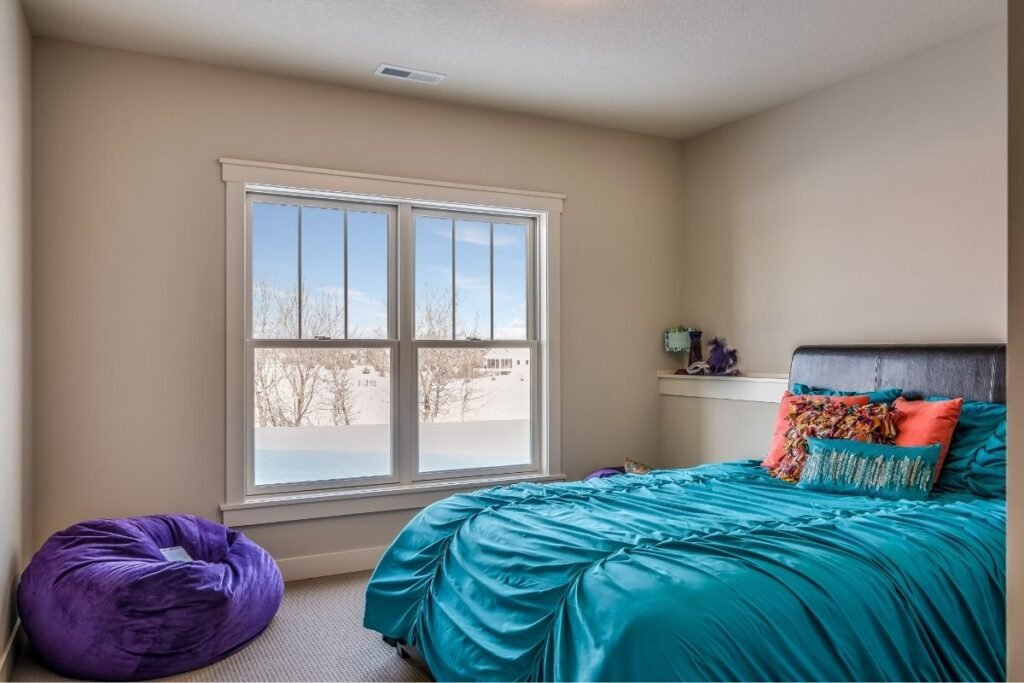
The color you choose for your bedroom walls sets the tone for the entire space and directly impacts how you feel when you’re in the room. Color is powerful; it affects mood, sleep quality, and how spacious or intimate a room feels. Yet so many people paint their bedrooms beige or white because they think those are the only “safe” choices. The truth is, there are countless bedroom colors that create beautiful, restful spaces while still reflecting your personal style and making you genuinely happy.
Choosing a bedroom color isn’t just about aesthetics; it’s about creating an environment that supports good sleep, encourages relaxation, and makes you want to spend time there. Different colors create different moods: soft greens and blues promote calm and sleep, warm tones create coziness and intimacy, neutral tones provide a serene backdrop for other design elements. The best bedroom color is one that resonates with you personally while also supporting the restful, peaceful atmosphere a bedroom should have.
We’ve gathered 15 bedroom color ideas that range from timeless neutrals to unexpected jewel tones. These color palettes work across different design styles, aesthetic preferences, and lighting conditions. Whether you’re a minimalist who loves soft whites, a maximalist drawn to bold colors, or someone somewhere in between, these color ideas will inspire you to choose a bedroom color that’s both beautiful and deeply restful.
1. Soft White for Timeless, Airy Brightness
Soft white is a classic bedroom choice that never goes out of style. It creates an airy, spacious feeling while providing a clean backdrop for artwork, furniture, and accessories. Opt for warm whites rather than stark, cold whites to avoid a clinical feeling.
Soft white bedrooms feel fresh and peaceful. They’re especially effective in smaller bedrooms where you want to maximize the sense of space while maintaining warmth through furniture and textiles.
Also read : Cozy Living Room Ideas to Create a Warm Space
2. Warm Cream for Comfort and Coziness
Warm cream tones feel more inviting than white while maintaining that light, airy quality. Creams with hints of yellow or beige create a naturally cozy atmosphere without requiring darker paint colors or heavy furnishings.
Cream is the perfect middle ground between white’s brightness and warmer tones. It supports good sleep while making your bedroom feel like a genuine retreat rather than a hotel room.
3. Soft Gray for Sophisticated Calm
Soft gray is sophisticated, calming, and works beautifully across different design styles from modern to traditional. Choose warm grays rather than cool grays to ensure the color feels inviting rather than sterile.
Gray provides the perfect neutral backdrop while adding subtle visual interest. It pairs beautifully with wood, metals, and accent colors, giving you flexibility in your overall design.
4. Warm Taupe for Earthy Sophistication
Warm taupe combines the neutrality of gray with the warmth of beige, creating an earthy, sophisticated color that feels grounding and calming. Taupe bedrooms feel collected and intentionally designed.
Taupe is underrated as a bedroom color. It provides all the calm of neutral tones while bringing organic warmth that makes bedrooms feel more personal than cooler neutrals.
5. Soft Sage Green for Nature-Inspired Peace
Soft, muted sage green creates a nature-inspired bedroom that’s calming and restful. Green is scientifically shown to reduce stress and promote sleep, making it an excellent bedroom color choice.
Sage green works with warm or cool undertones depending on your preference. It pairs beautifully with natural wood, whites, and warm metallics for a sophisticated, calming aesthetic.
6. Pale Blue for Peaceful Sleep Support
Pale blue creates a serene, peaceful atmosphere that supports good sleep. The color promotes relaxation and calm without feeling cold when paired with warm furnishings, lighting, and textiles.
Blue is one of the most popular bedroom colors because it genuinely helps people sleep better. Choose pale, muted blues rather than bright or saturated shades for maximum restfulness.
7. Soft Lavender for Gentle Romance
Soft lavender adds a touch of romance and personality while remaining calming and sleep-supporting. Lavender bedrooms feel special and feminine without being overtly girly or childish.
Lavender works beautifully in bedrooms where you want to add color and personality without sacrificing the calm, restful atmosphere. Pair it with soft whites and warm wood for sophistication.
8. Warm Terracotta for Earthy Warmth
Warm terracotta brings earthy, organic warmth to bedrooms while remaining muted enough to support sleep. This color creates an inviting, grounded feeling that’s perfect for cozy, intimate spaces.
Terracotta is an excellent choice if you want color without harshness. It pairs beautifully with cream, natural wood, and warm metallics for a sophisticated, organic aesthetic.
9. Soft Blush Pink for Subtle Femininity
Soft, muted blush pink adds subtle femininity and warmth without feeling overly decorated or childish. Blush is sophisticated enough for adult bedrooms while maintaining its romantic, inviting quality.
Blush pink creates a warm, welcoming atmosphere that’s calming rather than stimulating. It works beautifully with whites, creams, and soft metallics for an elegant, feminine bedroom.
10. Warm Beige for Versatile Comfort
Warm beige is one of the most versatile bedroom colors, working across different design styles and pairing beautifully with almost any accent color. Beige provides comfort and calmness while allowing other elements to shine.
Beige gets overlooked because it seems boring, but warm beige is actually the perfect foundation for a bedroom that feels collected, intentional, and genuinely comfortable.
11. Deep Navy for Sophisticated Drama
Deep navy creates a sophisticated, intimate bedroom atmosphere while still supporting good sleep. Navy feels more dramatic than lighter colors but remains calming and grounding rather than stimulating.
Navy works beautifully as an accent wall behind your bed or as the color for your entire bedroom. Pair it with warm metallics, wood, and light bedding to prevent it from feeling too dark or heavy.
12. Soft Sage with Gray Undertones for Balance
A soft sage with gray undertones bridges the gap between cool and warm, creating a balanced, sophisticated color that feels both calm and collected. This shade works beautifully across different lighting conditions.
This sophisticated neutral-warm hybrid is perfect if you love the calm of gray and the peace of green but want something that feels more personal than pure gray.
13. Warm White with Subtle Undertones for Depth
Warm whites with subtle pink, yellow, or taupe undertones add depth and interest to a room while maintaining the brightness and spaciousness of white. These nuanced whites feel more sophisticated than stark white.
Subtle undertone whites give you the airy quality of white while adding personality and warmth. They’re especially effective in rooms with natural light that can showcase the undertones.
14. Soft Dusty Rose for Romantic Elegance
Dusty rose combines the warmth of rose with the sophistication of muted, dusty tones. This color creates a romantic, elegant bedroom that feels mature and refined rather than sweet or childish.
Dusty rose is perfect if you want color, warmth, and personality without harshness or boldness. It pairs beautifully with cream, soft whites, and warm wood for an elegant, inviting bedroom.
15. Pale Olive Green for Earthy Calm
Pale olive green brings earthy calm and nature-inspired peace to your bedroom. This sophisticated shade feels more refined than bright greens while maintaining the sleep-supporting benefits of green.
Olive green creates a grounded, sophisticated atmosphere that feels collected and intentionally designed. It pairs beautifully with cream, warm wood, and natural materials for an organic aesthetic.
Final Thoughts
Your bedroom color should do two things: support good sleep and genuine rest, and make you happy when you see it every day. This might mean choosing a timeless neutral that feels safe and soothing, or it might mean embracing a color that brings you joy and reflects your personality. The best bedroom color is the one that resonates with you personally while still creating a calm, peaceful atmosphere.
Don’t be afraid to move beyond white and beige if other colors call to you. Soft greens, pale blues, warm terracottas, and muted jewel tones all create beautiful, restful bedrooms when chosen thoughtfully. Test your color choice with paint samples, observe how it looks in different lighting throughout the day, and trust your instincts. Your bedroom color should feel like a warm embrace, not a practical compromise.